Uncategorized

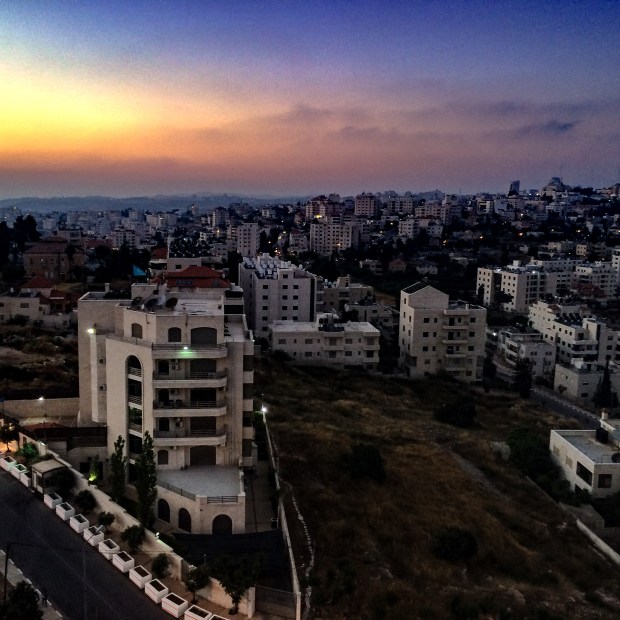
Tonight I went to Palestine

Tonight I went to Palestine.

I knew what to expect.  I’d seen pictures since I was young, of a land ravaged by war.  A land controlled by Hamas.  A land of a people displaced.

Tonight I went to Palestine.

The first checkpoint saw big men with bigger guns wave us inside.  I say inside because the whole of the West Bank was surrounded by a 30 foot high wall, covered in barbed wire with a sniper tower every 1,000 meters.  It encircles the entirety of the West Bank.  This was a wall to keep things from coming out not from going in.

Tonight  I went to Palestine.

We drove inside.  At first it was everything to be expected.  Broken cars.  Trash on the side of the road. Then a bend of the road showed the rolling hills of the area.  Another turn showed a dance hall, with teens and parents dressed in Salsa dancing garb.  A brand new BMW pulled in front of us.  This wasn’t what I expected.

Tonight I went to Palestine?

We arrived at our event.  Immediately we were met with smiles and handshakes and whisked into a modern, five story building with a beautiful restaurant on the ground floor.  Food and drink and 40 people had been awaiting our arrival.  We began the networking.

I met a man who was heading up the world’s largest connected city project – $1.2 Billion, located in Palestine.  I met a man who had just received nearly $4 million from venture capitalists – the most outside funding in Palestinian history.  I met a woman whose family had returned to the area after building a new life for themselves in the US.  But they had given it up because it was time to return home.

Tonight I went to Palestine.  But it was not as I had been told.

After our event we asked if there was somewhere nearby we could get some food.  Before we could even blink everything had been taken care of.  A reservation had been made and a taxi was arranged for our return to Jerusalem.  A tour of a new local tech start up, the top floor of the largest building on the tallest hill in Ramallah, was set up.

At dinner, laughter ruled.  Stories of youth and love and loss and life were told over shisha and hummus and fatteh and mint tea.  The restaurant manager contributed to both stories and orders  The restaurant was filled with women at tables, by themselves, with their friends, with their families.  Some in hijab, some in jeans.  

Upon hearing it was my birthday the next day, a special dessert was ordered. Everyone shared.  A meal no one wanted to end came to a close.  Four people talking at a table.  Four new friends talking at a table.

Tonight I had to leave Palestine.

They paid for our dinner without us even knowing.  They walked us out to our waiting cab and we made plans to see each other again.  They paid for our cab without our knowing.

The ride back I was filled with joyous calm.  In all my years of travel I have never been met with such a level of warm welcoming.  Of not just hospitality but true happiness of making someone feel truly and completely at home.

The checkpoint changed all of that.  

Watching men and women being pulled out of their cars and frisked and searched.  Of getting through to the other end and once more seeing those walls, those guns, those turrets.  Of feeling the bubble of happiness shattered as the full reality of the place and circumstances I was witnessing hit me once more.

Tonight I cried for Palestine. And Israel. For an impossible situation from thousands of years of impossible situations.  For two people divided by a wall.

Tonight I went to Palestine.  Tomorrow I will not be the same. 

You’re going to Vietnam? Why?

Vietnam.  More than any other country I’ve wanted, nay, needed to come here.  And so far it’s nothing like what I expected.

There’s all the obvious reasons to come to Vietnam right now.  The food is incredible, the price of living is very, very low to a westerner (a beer, my international barometer of cost, run about $0.50 – $1.50 here).  It is not overcome with tourism like Thailand which gives you an opportunity to have real experiences in a truly developing country. 

Or at least that’s the hope.  And for many of the travelers I’ve met thus far those are exactly the reasons they’ve come here.  But my reasons are more cloudy.  In all honesty, I’m not even sure I understand them.

The last few months I’ve been challenged like I never have before.  And truth to tell I haven’t felt that I’ve lived up to them.  I launched my website (www.thesacrev.com) in October and yet have struggled to find the long-term vision of the site after making so many pivots before launch.  Additionally, my role at my job has has taken on a more intricate, much larger leadership role.  Which begs the question for me, what does true leadership look like? 

What I needed, I realized, would be impossible to accomplish at home..  I needed to put distance between myself and others and re-learn the things I had gained from my first time living abroad in Amsterdam: who am I, at my core?  What do I believe in?  What drives me in this life?

Buckminster Fuller has a quote that I’ve always come back to : “How often I found where I should be going only by setting out for somewhere else.”

So this trip has become a journey for me, almost a quest, to continue to develop and define leadership.  Go to a country where no one knows your name or speaks your language and see what comes of it.  How do you act?  How are you perceived by others? Adapt, refine, impact.

So that’s the biggest reason I’ve gone to the other side of the world for a month.  But in looking for where to go I realized there was one spot on the map that intrigued me more than any other.

The Vietnam War (or as it’s called here, the American War or the War for Independence) has always fascinated me.  Even in middle school when I first learned about the war itself I had questions.  Unlike other wars I’d studied Vietnam had no clear start date.  Then it became a question of why had we escalated the war in the first place? Or the second place? Or the third place?

Then it was the sheer amount of presidents involved in the conflict: Eisenhower, JFK, LBJ, Nixon.  Then it was the foreign policy theories behind the justification for the war (Domino Theory chief among them).  But that theory was based on Eastern European countries which were falling quickly to the influence of the USSR.  Why would a theory that worked in Eastern Europe, a region that has historically always been heavily influenced by Russia, work for South East Asia, a region with histories of shared empires and religious interconnectivity yet a region of divided nationalities and cultures

I went to college to help make sense of this issue.  I plowed through ream after ream of correspondences trying to understand the escalation process.  I wrote an essay on the ramifications of a single unknown Foreign Assistance Act that turned off funding for the war.  I wrote paper after paper on the attrition/guerilla warfare strategies of the Viet Cong and North Vietnamese versus the conventional warfare and aerial bombardments of the US.  And every time I wrote or researched I became more and more confused on a subject that seemingly had no clear start date, no clear end date, and no real reason or justification for happening in the first place.

Vietnams history and the early history of the US are shockingly similar.  Both countries took on the largest military in the world at the time (the British and the US respectively) and came out with an independent and unified country.  The true underdog stories of nation building.

I’ve learned about the war in Vietnam on two contingents, hoping to get more unbiased versions of the same events.  But as time went on I knew that the only place I could really get the answers I was looking for, the only place that would help fill in the other side of the story was, of course, Vietnam itself.

Ah, but my fine yet cynical reader, you’re thinning “but Brian, why do you care?  This all happened well before you were born.  What does it matter?”

I don’t know why it matters to me so much but in a very real and personal way I feel a responsibility to be here.  In the same way that I believe the first step to bettering yourself is to admit your own faults so you can fix them, I believe that the role of a good citizen is to recognize the mistakes of their country in the past.  Ensuring history doesn’t repeat itself is, in my mind, the goal of any generation preparing to take over the reins from the previous one.

So make no mistake – I’ll be having fun here.  My little time I’ve spent in this country has only highlighted that.  But I’m looking for something here too.  I’m not sure what or what it will mean to me when I find it.  But I, like so many others, have come to Southeast Asia in search of some form of enlightenment.

Enter Asia through the Front Door: Hong Kong

The plane begins it’s initial descent. 

All around you is pitch black water.  You know you’re losing altitude but at the same time you can’t see anything below or around you.  Small lights suddenly begin popping into place – small boats, you realize, anchored well out of reach of the islands. 

It starts with one, then two, then four.  Burnt orange lights dance on the pitch black water but still you can’t see anything: even a glow of light pollution would put your mind at ease at this point.

Meanwhile, fog runs off the wing in sheets as larger boats begin to pop into existence.  “How far are you from the city?” you can’t help but ask yourself.

This sense of unease, this eery calm stays with you until you see the first runway jutting out into the water.  Lights flash to give planes their landing patterns and you suddenly realize the vastness of the place you’ve entered.  Your massive plane is simply a dot on the canvas that is Hong Kong International Airport.

The doors open and everything is sticky. 

Jumping in a cab, that feeling of eeriness returns as you get a first glimpse of the outside world, the world you just waited 14 hours on a plane for.

That burnt orange glow surrounds everything, the haze from the humidity bouncing off the strange lights used for standard illumination.  As you turn out of the airport, you get your first view of the architecture.

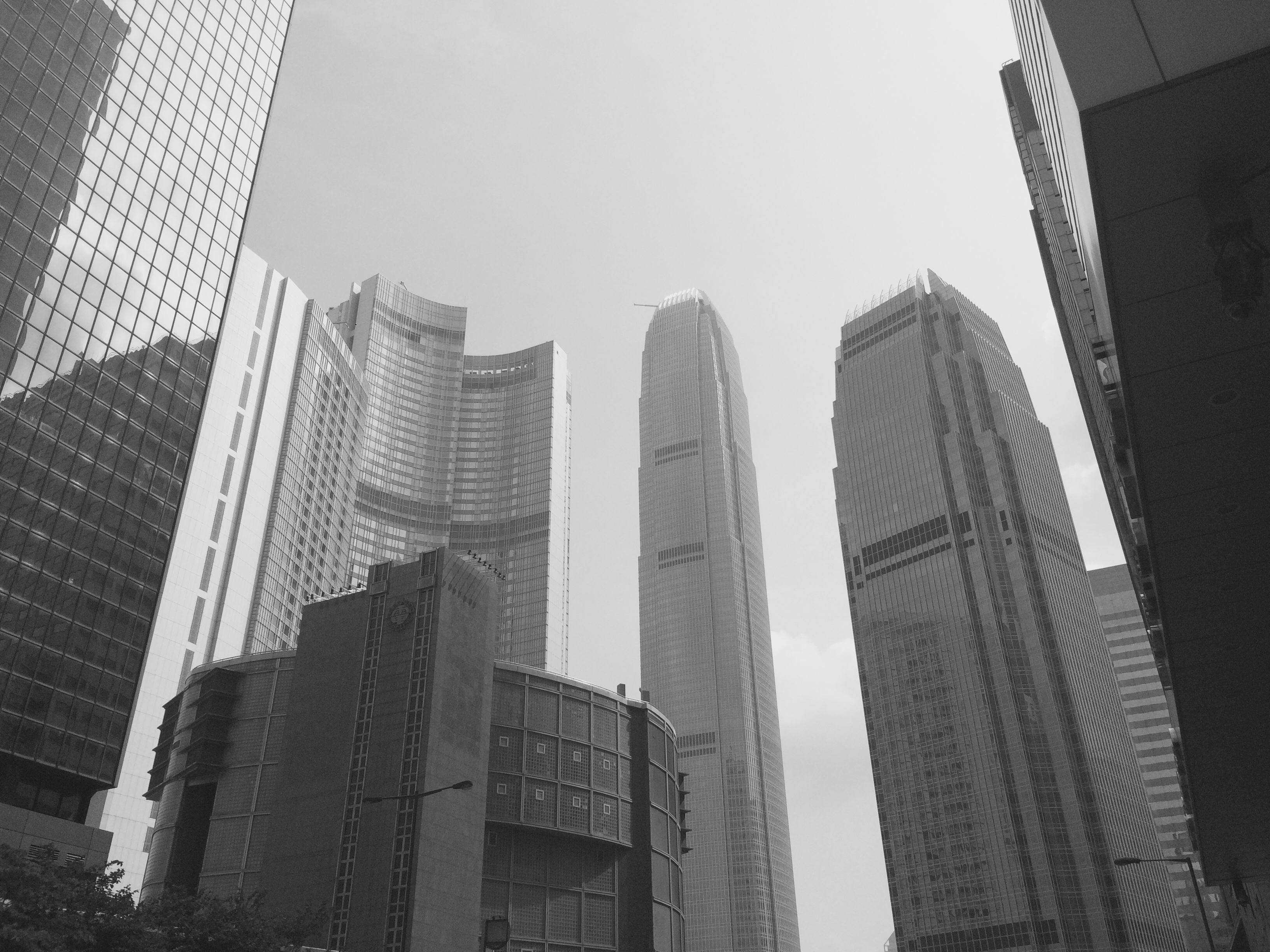
Fourteen towers, all at least 50 stories high, push themselves int the sky surrounded by that eerie orange haze.  What strikes you is not their height, however, but their width – each tower stands close to the next one but is thin, thinner than any set of buildings you’ve seen before.  You realize each floor is a single apartment.  They push themselves into the sky and all you can think of are a pianist’s long, slender fingers reaching out to grab the keys.

The first bridge comes out of nowhere.  Long and stout, the sides disappear into the same dark waters that you saw from the plane.  You turn a corner and a very different Hong Kong awaits you.

Ports.  Ports and docks as far as the eye can see all once again covered in an alien orange haze that makes this feel less like a maritime scene on Earth and more like a launching of the spaceships on Mars.  You’re not in Kansas anymore.

Tunnel.

The second island opens up in front of you as you leave the first tunnel with more and more of those thin skyscrapers, slowly becoming closer and closer together.  The scenes now playing out before you remind you of LA: a group of palm trees swaying in the wind in front of a Louis Vuitton sign, a motorcycle club dashing by in neon colors, a Porsche Carrera S driven by a very, very young man.

Tunnel.

Then the real Hong Kong is in front of you.

Everything you thought you knew from what you’d seen before is false.  The towers crowded together former blocks upon blocks of skyscrapers, each different and yet each looking like a master pianists hands prepared to play upon the sky.  You hit the main roads and people begin to appear, walking the streets, popping into restaurants.  Everything is familiar and yet everything is not either.

You turn a corner down the back streets and the first scent hits you, something wonderful being made down an alley.  A few blocks up and there’s another scent, something cooking in it’s own fat, and then another, something sweeter thats been baked to perfection.  That saying about discovering Hong Kong through your nose makes sense now.

More turns, more streets, faster now, until suddenly, and without warning you’ve arrived at your hotel.  Everywhere the haze is still with you, people walk up and down the streets and yet you notice one thing that’s missing from a city landscape. 

That hum that you’ve come to expect is not here.  It’s so very quiet here.  And you’re left remembering that feeling of eery calm you landed with.

You’ve arrived in Hong Kong.
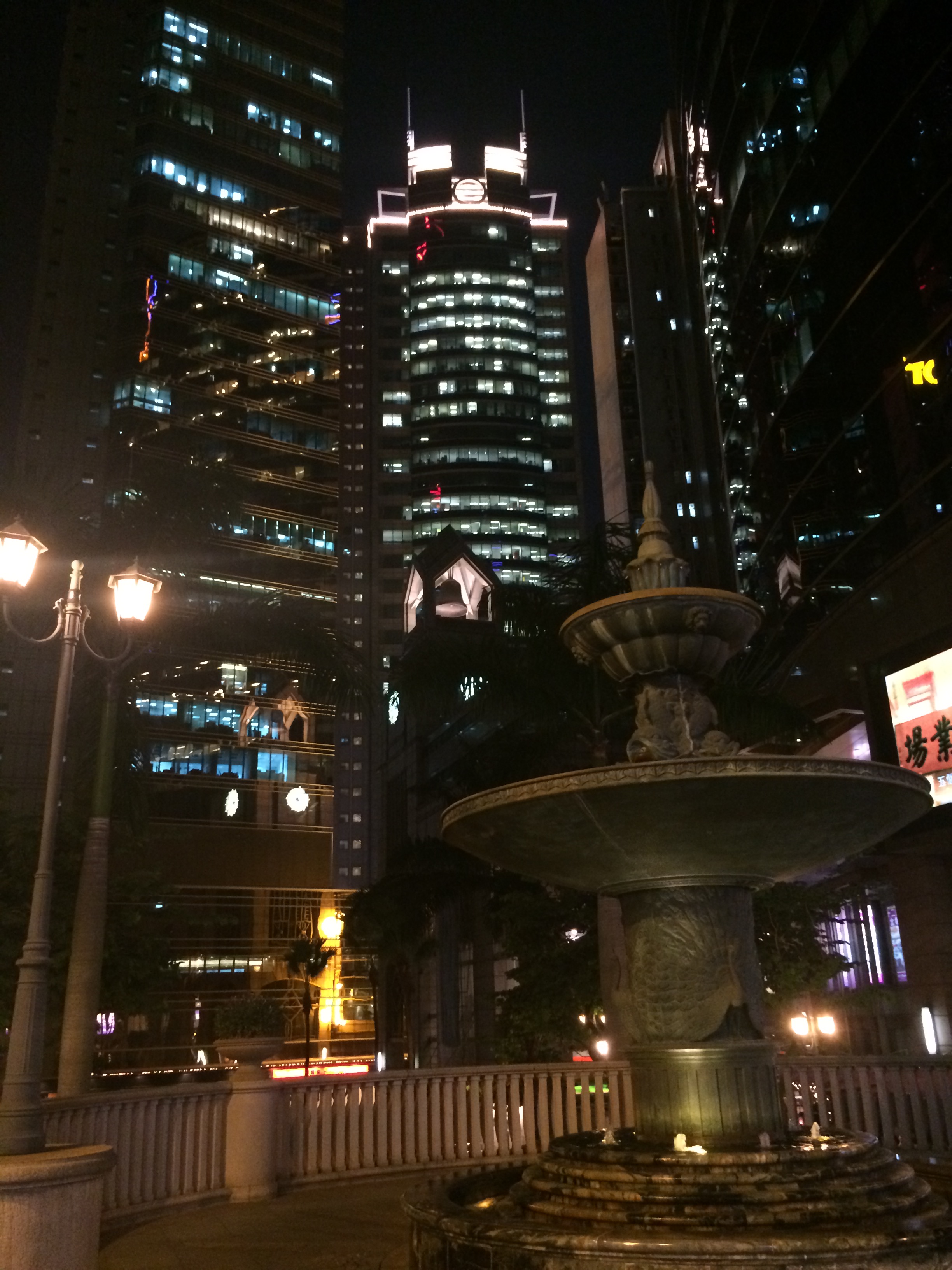
FullSizeRender (2)

——

Hong Kong was both everything I expected and none of what I expected.  Both China and not of it.

I’d been wanting to come here for awhile, both from the stories I’d heard from a friend who used to live here and from the food stories of fellow travelers.  But if I’m honest there was really only one reason I had come to Hong Kong – the search for the golden goose.

You’ve seen pictures.  A beautiful, trussed up bird with perfectly cooked golden brown skin hanging from a hook in a window.  It’s one of the oldest recipes in a country consistently distancing itself from it’s traditional cuisine. 

So yes, I’d come to Hong Kong really to just eat one thing.  Was that so wrong?  But the goose would have to wait.

I woke up Wednesday morning still jet lagged and popped right out into the city.  I was actually here for work, and would be spending the next few days cooped up in an office.  But I had until mid-afternoon today for my own time.

I had seen a restaurant on my way into the hotel that looked promising. And sure enough it was everything I wanted it to be and better.

Pristine white table cloths? Check.  Waiters who rudely push and point you toward a table in the corner? Check. Not a menu in English and none of the staff speak it either? Check and double check.  Why, you must be sitting down to some traditional Hong Kong Dim Sum! 

Since I couldn’t read the menu I’d walked to my table with my nose, smelling what other tables had.  Once I sat down and had my tea I pointed at the tables whose food I wanted.  Worked beautifully. 

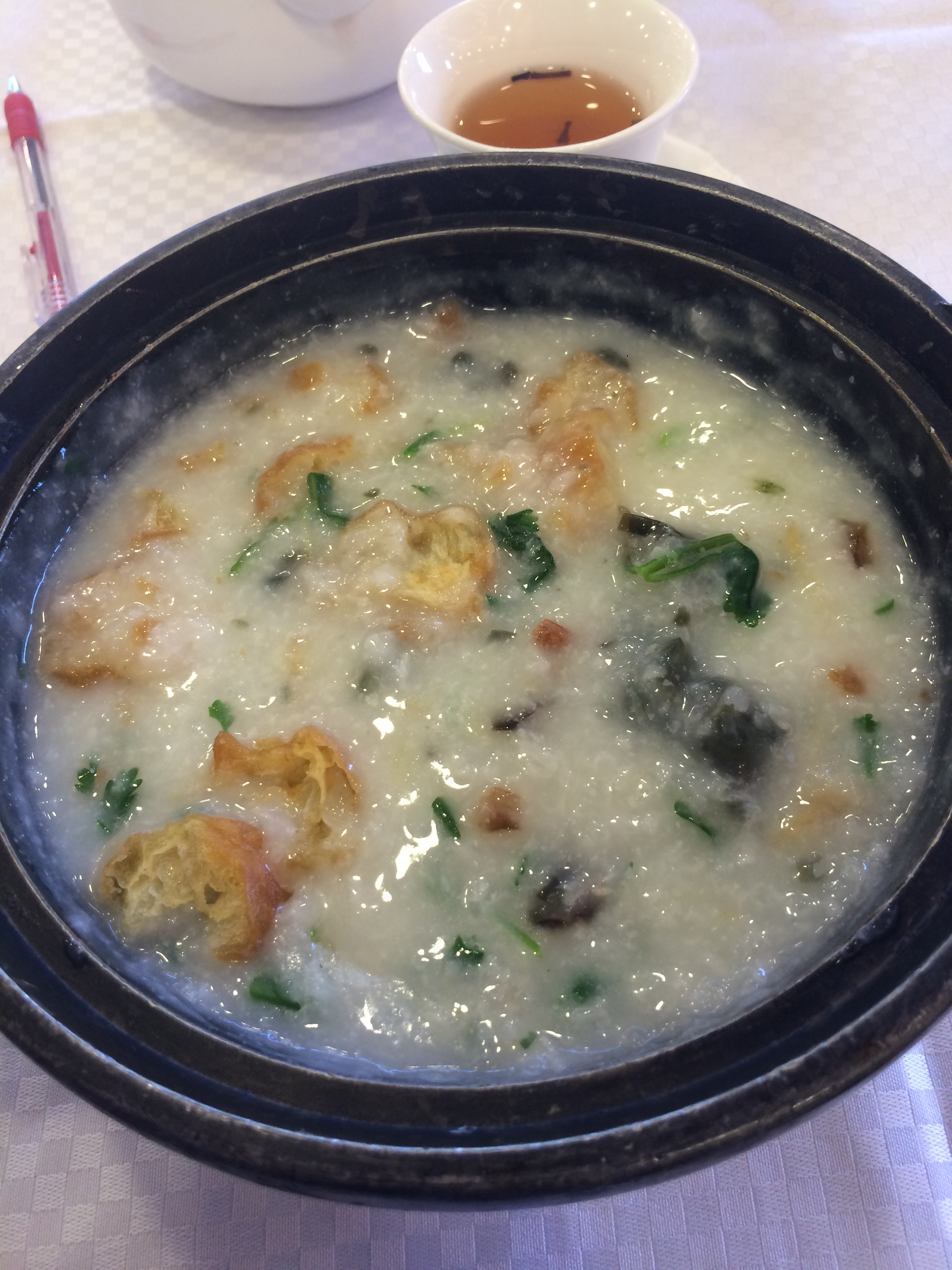
My first meal in Hong Kong was a huge success – BBQ pork wrapped in noodles and something I’d never had before.  Congee, a porridge like mixture filled with poached eggs, more pork, fried bread and green onions.  Kinda like if oatmeal and an omelet had a baby.  It was perfect.
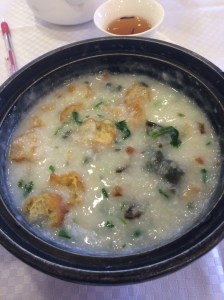
Sure it looks less than satisfying.  But don't judge a book and all that jazz.

Sure it looks less than satisfying. But don’t judge a book and all that jazz.

One thing I started to notice at my first truly “Asian” meal was the delicate taste profiles of dishes.  Western cuisine puts a heavy emphasis on perfectly seasoned items, aka salt, and knowing how much enhances and how much spoils.  While there is salt in the dishes in Asia, it’s far less which makes the flavors initially seem bland in comparison.

In reality, however, the flavors are just more subtle but often even more complex.Eating, in some ways, becomes a trial in patience.

From there I went back to the hotel to get actual pay-the-bills work done before heading into the office.  Somewhere on my way back I noticed the weather.  Not so much noticed it as began swimming in it.  I don’t deal well with humidity (it’s the California in me) and by the time I made the walk back to the hotel I was, well, soaked. 

Considering I had brought mostly winter clothes from my previous three weeks of travel around the US, this was a bit of a problem.  If Hong Kong was this bad, then how bad would Vietnam be?

But that, as I often say, was a problem for future Brian.

—-

After a few hours of work it was lunch time.  Right across from my hotel I’d seen a little dim sum place that I fancied.  Popping in was the right call as a kindly old Chinese grandmother ushered me in, sat me down and proceeded to order for me.  Nothing too crazy for dim sum: two fish and pork dim sums, one wrapped in noodle the other in a bun.  I nearly told her I was stuffed from the first two but she insisted on the third.  God I’m glad I didn’t say no.

What came out next surprised me: wrapped in a huge tea life was baked rice with soft chicken inside it all.  Kinda like a casserole. But the cooking of it all is absolutely genius: the moisture of the tea leaf cooks the rice, which then helps to keep the chicken moist.  Incredible.  Delicious.  Enter food coma.

And did I mention Hong Kong is relatively cheap for Americans?  Both meals that day cost me less than $14.  Together.  Not too shabby…

—-

I was staying in the mostly residential neighborhood of Sheung Wan, and I was one of very few westerners in the neighborhood.  I didn’t think anything of it at the time, but the longer I spent in HK, the odder that was.

Hong Kong began as a fishing village, salt production site and even a pirate haven (the city is home to over 260 islands) before the British as a trading post in the 1800’s, eventually growing to the most important port outside of London for the Sun-Never-Sets Empire.  As time has gone on, and the city has changed hands multiple times it has retained it’s international population.

Where the Brits are still very established is the business culture.  Walking into any of the biggest companies in the city and you’ll find a very British hierarchical system, that is to say an incredibly flat command structure.  And yet weaved through it is the traditional and somewhat rigid Chinese business laws: everyone shows cards facing towards the recipient with a small bow and pause to read the cards.
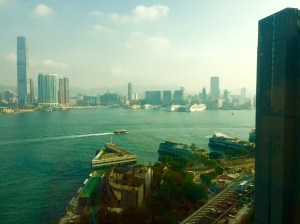
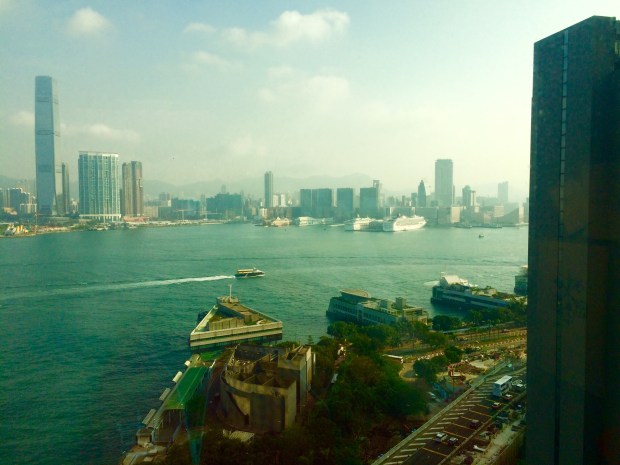
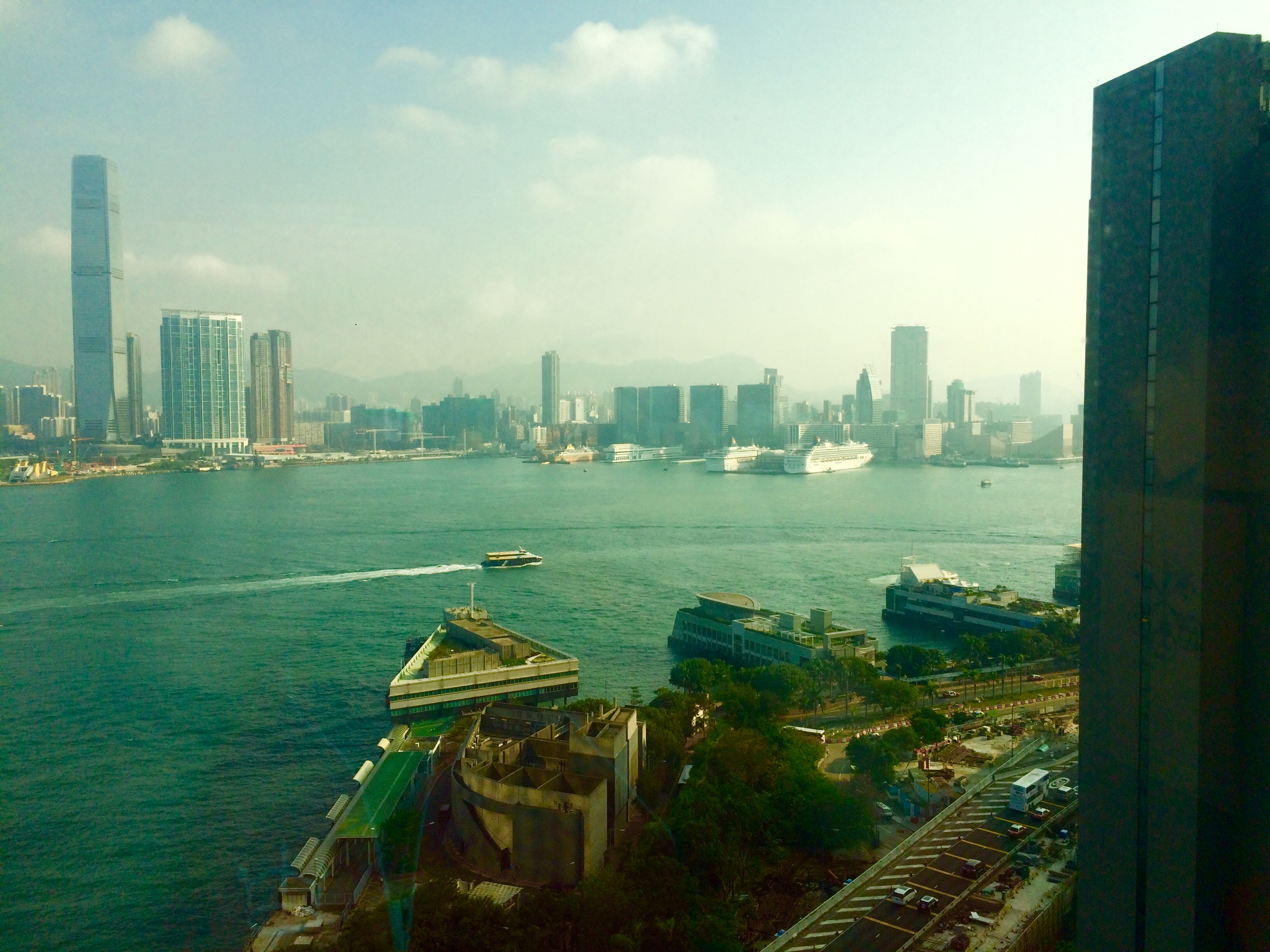
View from one of those "biggest companies".

View from one of those “biggest companies”.

Suffice it to say it makes for an interesting business trip.  And so, after sucking all this in in one afternoon’s work, I was once again famished.  Meal time number three I believe?

I’d been given a recommendation by a friend of a place I just “had to try”, usually a good sign.  The style was Yakatori, or for those of you unlucky enough to have not had it, chicken on a stick.  It sounds so simple but as with all things Japanese simple can be deceptive.

Unfortunately it was located in SoHo.  Which meant a pretty decent uphill climb from the Central neighborhood office I was at.

Which brings me to my next transition – Hong Kong Island is built on a bit of a hill.  And the whole city wraps around and spirals up it’s face.

How tall? Oh just 1818 ft.  Did I mention the city also has escalators built into the side of the mountain?

Sadly, I couldn’t find any of those and hiked it up the mountainside.  Along the way I stopped to take in the sights…

IMG_1502

…or to catch my breath.  You’ll never know really.

When I got to the restaurant I was shocked.  Clean, modern interior.  Nearly all European faces.  And most odd of all, EVERYONE had American or Canadian accents.

Turns out, Brits, are no longer the predominant “other” citizens as I had assumed.  They are fifth, after Canadians, Mainland Chinese (yes Canadians beat out mainland China in order of expats in the country) and then the good ‘ole US of A. Traveling through Europe, I’ll hear only a few American accents throughout my day.    In Hong Kong there wasn’t a single time I walked down the street where I didn’t hear at least one.

So there I was surrounded by Americans.  Americans from Portland no less – they even had Stumptown coffee on drip available.

What is this city?

The food, however, was exquisite: First up, some chicken neck please.  Then the oysters (sometimes referred to as the chef’s portion), then the skin, then a special off the menu option called “The Meatball” that everyone said I had to try. 

It was all the best cuts of the chicken.  Thigh meat, oysters, and a few “special” portions they wouldn’t share.  I didn’t care, I was in heaven.

—-

Walking back meant going downhill, which was well appreciated.  On the way back down I saw the mostly European/N.American neighborhood of Soho disappear into the more residential, mostly Hong Kong and Chinese neighborhoods.  The city is still fairly broken up into ethnic districts, but not for racial, or more correctly, for racist, reasons.  But money does seem to be a huge part of it.  The richer you are the further up the hill you can be.  This would be proven a bit later on.

The next few days went by in a blur, catered meals in meeting rooms with some beers amongst work colleagues.  One other thing I will say about businessman in Hong Kong, the stereotype of them hard drinking after work is very, very true.

Saturday was also a bit boring as I caught up on the work I had neglected that week at home.  The hours strolled by in my tiny Hong Kong hotel room as I responded to email after email.  I suddenly realized I’d never finish it before dinner, which suddenly reminded me.

THE GOOSE.

I had (nearly) forgotten about it.  I rushed down the stairs to the hotel lobby where I asked all of the staff their favorite place in the area for goose.  It was nearly a tie until two managers popped in to see why I had taken over the lobby for some off-the-cuff voting action, at which point they both smiled and pointedly pushed me towards…the very first restaurant I had gone to.

Turns out, this place was a bit of a stable in the neighborhood.  A bit more pricey than others around but let’s put it like this: if your family was coming and visiting from out of town you’d take them here.  in fact, the place was packed with families that night.

My friendly hotel lobby workers had given me a note in Cantonese with exactly what I wanted.  Half roasted goose, split down the middle and a small appetizer of shrimp dim sum.  While I was waiting for the order I popped into a grocery store next door and grabbed a large Asahi to wash it down with, a purchase that cost me a total of $1.20.

The goose came out still hot.  I raced back to my hotel and popped it in front of me.  I opened up my Asahi and prepared my tastebuds for what was to come.

It wasn’t good.

It was divine.

In fact, I’m going to keep the rest of that night to myself.  Suffice it to say that goose ranks as one of my top five meals of all time, even in a small hotel room in Hong Kong.

—-

My last day in the city I only had a few hours left to me.  I had to be on a flight at 3pm to Vietnam, but this gave me just enough time to do the one touristy thing I had been hoping for.  Time to head to the peak.  Victoria Peak, that is.

I honestly wish I could have hiked it.  It’s about 2 hours door to door from my hotel, but that was going to cut it too tight.  So I opted for the 30 min cab ride. 

I mentioned earlier that I thought that the more affluent Hong Kongese might live on the Peak.  A few minutes into my drive and I was proven right.  Huge mansions popped out of the hill in front of you, with gorgeous driveways and car houses located above or below the house itself.  It reminded me of La Jolla in San Diego.

But the views.  Every time we hit a curve in the road another fantastic view hit me for a half second before it was covered in foliage.  Higher and higher we went up the hill before a huge complex appeared before me.  We’d reached the Peak.

I realized pretty quickly that, while there was a tourist viewing station, it was going to cost money.  About $15 I learned later.  While that just wasn’t going to do.

I spotted a private road and began my hike.  I marched up as far as I could go, then found a private staircase and hiked up some more.  Where I was promptly met with a disgruntled security guard.

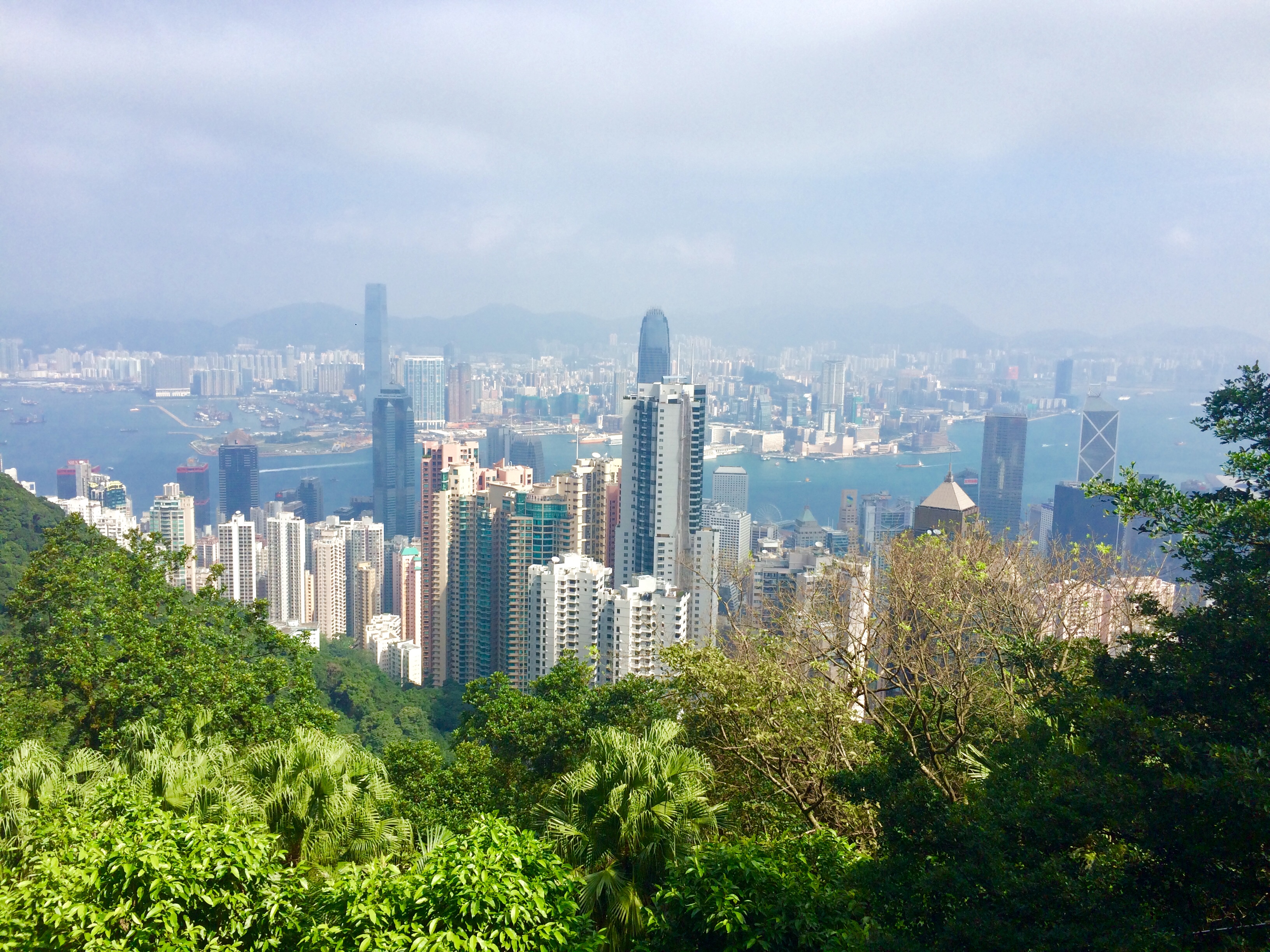
A smile, a “confused tourist look”, a brief conversation and about $5 later I got this view all to myself:
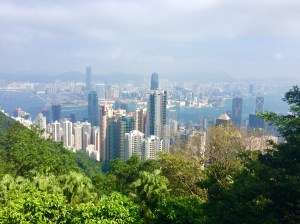
FullSizeRender (1)

Wandering back down the hill I became pensive.  It hadn’t really hit me yet that I’d be spending my next month or so in another hemisphere, the vast majority of which in what many have told me is a “third world country”.  I still wasn’t yet sure what I was hoping to gain from it all.

With about 30 mins of free time left to me I popped into a diner I had been told about earlier that week. I wanted a small bite to eat (I was still pretty full from the goose) and a beer before I was on my way.

On the patio outside that overlooked the whole southern part of the island, mostly dense vegetation and jungle, I realized that I was taking a very old travelers path.  I was using Hong Kong as so many others had, as my jumping off point into the rest of Asia.  This would be my last bastion of “civilization” until I landed in Australia a month or so from now.

And so I sipped my beer and ruminated on what was to come.

—-

I really wish that was the end of it.

The writer in me wants to stop here and pretend it all ended happy and clear-headed.  But that’s just not the way of the world.

Perched on my shelf on top of the world, I had decided I would get the beer and a single order of salmon ngiri to round out my trip.  Just enough to last me until I got to Ho Chi Minh City.

When the waiter came over I made my order.  He scoffed and told me:

“If you really want some good salmon, you have to order the bagel with lox.  It’s real Scottish salmon.”

“But I’ve had Scottish salmon”

“Not like this you haven’t.  They loaded it in just this morning, fresh.  I watched it come in.”

I was struggling.  On the one hand, the guy was genuinely excited about the Scottish salmon.  That much was clear.  On the other, it was more than double what I had originally wanted to spend.

In the end, however, my “always eat the boiled puppy heads” philosophy won out.  I ordered the lox.

It could not have been worse.

The salmon wasn’t the problem, although it was a bit slimy.  Still, my brother makes the best smoked salmon in the world so I’m biased on that.

The problem was the bagel.  It was totally and completely stale.  You had to chew it 100 times to make it edible.  And when the waiter came back over, I realized the truth.

He was totally and completely excited for it.  I couldn’t even be mad at him.  He truly loved the salmon on this abomination of a bagel.  Maybe he’d never had  a bagel before, maybe he only ate the salmon.  I don’t know.  But I was totally bummed and out a bit more cash than I had wanted to be.

I paid and left.   A bad meal is never what you want to leave a city on, but that’s just what it had to be.  I made it to the airport with time to spare and got lost in the seething metropolis that was Hong Kong International once more while Johnny Cash’s version of Further On Up the Road played in my ears.

I absolutely fell in love with Hong Kong.  It’s an incredibly approachable city, with fun and welcoming people.  Should you go? Yes.  I’ll take it even a step further and say if you ever get a chance to live there, take it.

But for those of you up on current events you might be saying “isn’t there some protests going on there?  Why aren’t you mentioning that?”

I got to see Umbrella Square, walked through it and even chatted with some of those involved with the movement (there aren’t set leaders, but it’s easy to tell the folks who garner the most respect, at least for now).  I was touched by their passion, their belief in the rightness of their cause, and their absolutely incredible commitment to non-violent and peaceful protest.  Some of the conversations I had with them I’ll remember for years to come.  One conversation I will carry to my grave.

But I wont try and explain this movement.  I’ll leave that to those with more perspective of all the moving parts.  For now, I’m just a traveller who packed winter clothes on his trip to Asia.

—-

Places

Stayed: Ramada Hong Kong, 308 Des Voeux Road Central, Hong Kong

Ate:

Star Seafood: 271 Des Voeux Road C, Hong Kong (First Breakfast and THE GOOSE!)

Yardbird: Yakatori, 33 Bridges St, Hong Kong

Note: You’re gonna see this a lot in my Asia posts.  I just don’t have the names to places.  Many street restaurants have names like “Happy Restaurant” and “Sunshine Cafe”.  but that’s not the actual name.  And many of them, especially as we move into Vietnam, don’t have addresses.  So message me if you’d like directions ot some of these places, I’m happy to do what I can.
Some Drinks, a Speech and Cheese Naan – The Rains of Marseille Pt 2

The Marseille airport is a bit of a misnomer.  It is the airport for Marseille in that it’s the only airport for 20 miles in any direction.  But it’s nowhere near the actual city.  The airport itself is nice, but actually getting into the city requires either taking an absurdly expensive cab (about $90), or jumping on to the $12 bus to the train station, which then takes you to the metro.  I opted for a mix of both, and took the bus to the train station, then grabbed a taxi from there.

I’m very spoiled in Marseille.  The event I’m here for, the IMGA’s, puts up all of it’s judges in an amazing four star hotel and takes care of all of our meals as well.  Essentially, our only expense is our time and for any drinks we decide to grab afterwards (hint: there’s always drinks afterwards).  Considering they also pay for my flight to and from Europe, I’m coming out well ahead in this deal.

I checked into my (huge) hotel room and found a string of emails from the other judges asking who was in town and wanted to get dinner.  Of the 17 judges arriving, most were too jet lagged to do much beyond find a sandwich or were getting in too late for dinner.  Four of us, however, decided to meet up.  Sadly, my choice of a couscous place I had been to the year before was closed (it was some kind of national holiday) but we ended up at an Irish Pub next to the hotel.

One thing I’ll never understand about Europe: in the US or the UK or Ireland, the pub is a neighborhood bar.  Prices are cheap, food is good and you expect a bit of dirt or grime somewhere.  It’s what makes the place feel like home.

In Europe proper, though, the pub is less a neighborhood bar and more a themed restaurant, like an Outback Steakhouse or an American burger place in the middle fo Warsaw (more on that later).  The pieces are all there but it’s too clean, too much memorabilia on the wall.  Everything is just slightly off.

But it was open and it served food and beer and therefore we were happy.

We grabbed a booth and some beers and ordered.  They had flamkouchen on the menu, so I had to get it – it’s a type of French/German pizza (if you want to be really specific, it’s from Alsace-Lorraine and have fun having that conversation with a French or German) that I’d had once before in Munich.  Instead of tomato sauce it uses sour cream and a super thin crust that’s cut into squares.  It’s fantastic, and this one, with duck and goat cheese, was no exception.  Eventually we called it an early night and went to bed – we had a long day ahead of us.

I won’t go into all the details as I’ve mentioned the IMGAs before, but suffice it to say that by 6pm we were exhausted.  The judges had been broken into six different groups and each group had played between 50-100 games in one day.  Our eyes hurt, our minds were mush and we were very, very hungry.

Food, however, had to wait.  One of the awards sponsors is the city of Marseille itself and they had set up an event that night with local developers who wanted to meet us judges.  I was tired, but they had free wine and food so I wasn’t going to complain.

There’s a trend here involving free food and drink if you’re paying attention.

Then, about fifteen minutes before we were set to leave,  Maarten, the founder of the awards, asked me to give a short speech to the developers. Um, sure?

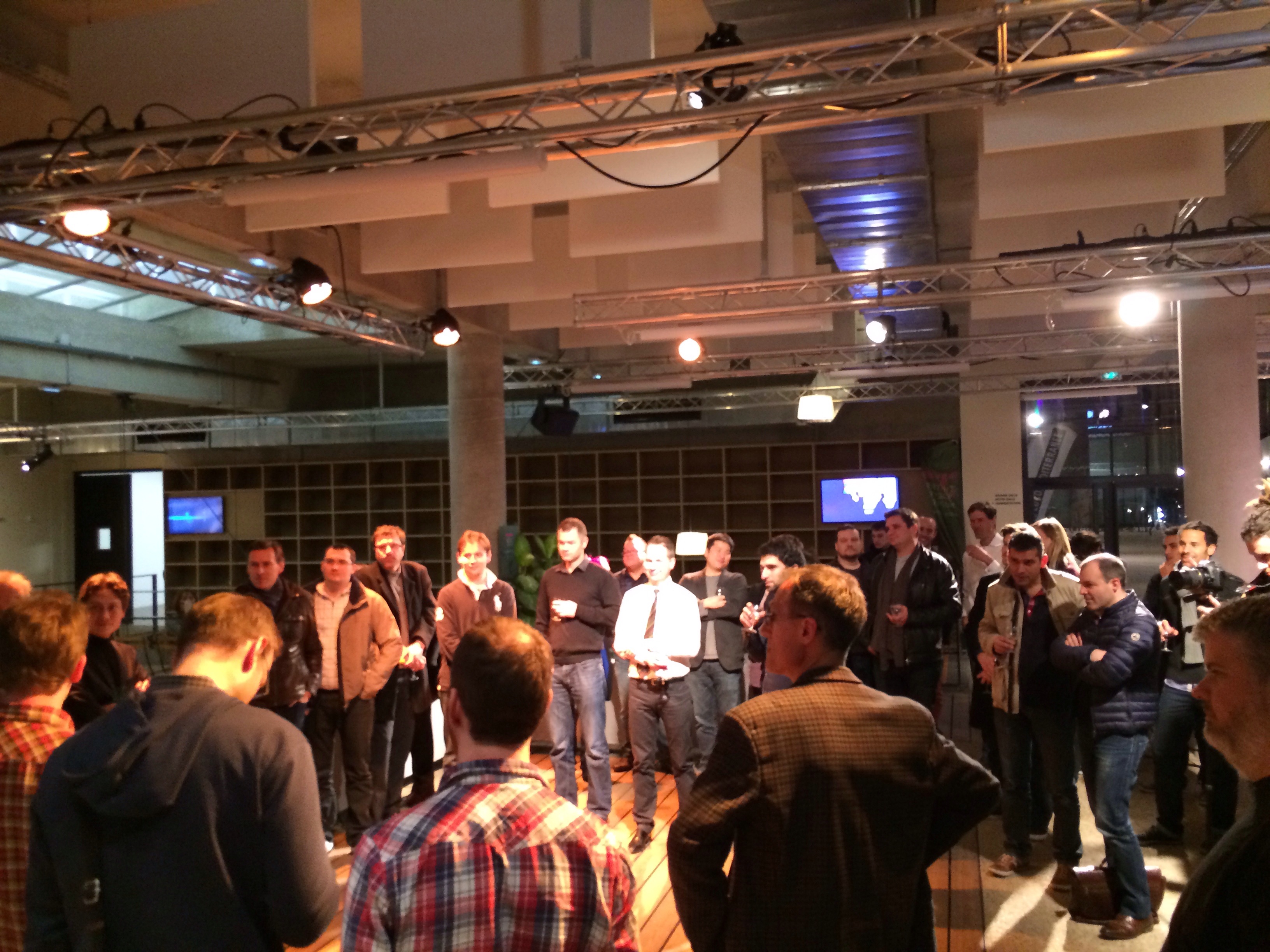
So about an hour and a few glasses of liquid courage later, there I was giving my first public address since I’d worked at the Capitol.  It went well and I got some very nice compliments thereafter.  But moreover it goes to show that life doesn’t move in a straight line so much as it does a spiral – you’re constantly reusing old skills for new circumstances.


20140225-111837.jpg

Finally, with much wine and beer in our bellies, we marched back towards the hotel and dinner.  An Indian restaurant had been suggested to us and we were not one to say no.  Everything seemed to be going fineuntil my friend Chris and I stumbled upon something we couldn’t believe.

Cheese Naan.

I love indian food.  I love naan.  And I love cheese.  Together they formed a holy trinity of possibilities.

We ordered two servings and that naan filled with goat cheese mixing with my paneer marsala was absolutely heavenly.  There simply isn’t words to describe its magical goodness.  Chris complained of stomach cramps later but Chris is kinda a wimp.  Afterwards, however, we all decided an appertif was greatly needed so we headed out towards a bar.

As I mentioned before, Marseille is really a city inside of another city and this bar existed behind the facade of the waterfront and in the old alleyways.  It was only a five minute walk from the restaurant to the bar, but it existed in a kind of no man’s land – you could tell a walk five minutes further would take you to a very different part of town, while five minutes back took us to the waterfront and our four star lodging.  We later found out someone had been shot and killed just a week before right in front of our intended choice.

We clearly listened to this advice and walked right inside: an American, a Brit, an Aussie and a German.  Just the four customers any good French bar wants.

The owner grumbled and ignored at us when we first walked in until, shockingly, my french came to the rescue.

I actually took french in school and can force my way beyond simple words and into somewhat complicated sentences such as”no, the top shelf bottle” and “yes, please do make it a double”.  At this the owner smiled and our glasses were never empty.

In retrospect, it may have been the gorgeous Australian in our midst more so than my language skills, but I digress.

After a few hours, some dancing and someone who shall remain nameless stealing a cup of the “jungle juice” at the bar (it was the Australian) for the walk back, we left for the night to get some rest for day two.

Day two is always worse than day one and this one was no exception.  By the last two hours the debates had ceased and people were barely able to get their arms up for a vote.  We had brought the list down to a respectable 130 games and I decided to allow everyone more time to play the final choices before making a decision.  I gave everyone a week deadline to get their votes into me and with that we were done.

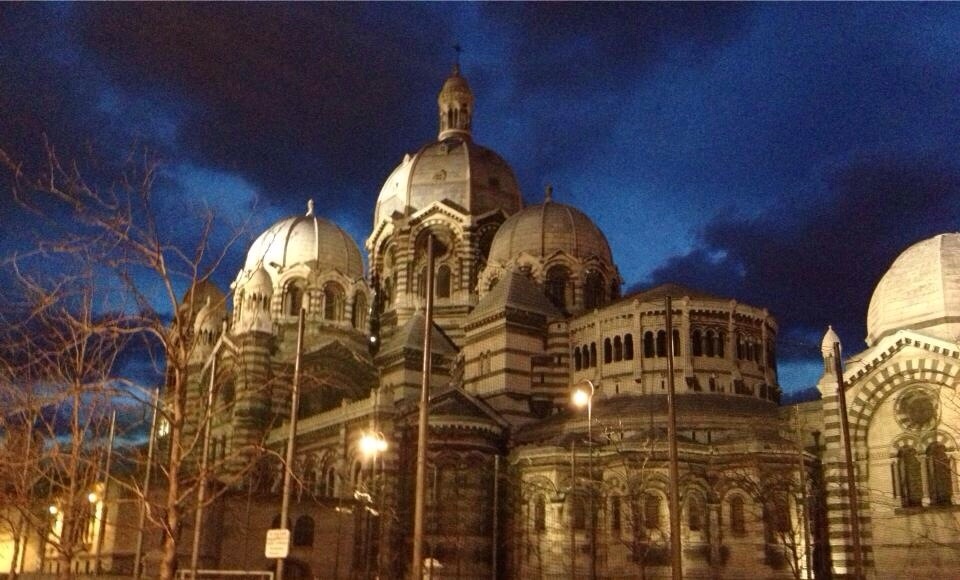
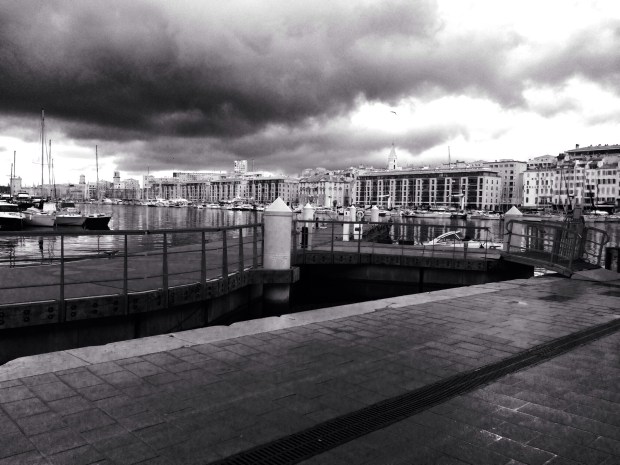
I took a group the long way back through to the hotel, by one of the old churches that had been restored and through yet more alleyways.This opened up into a view of the harbor immediately adjacent to the hotel, where the lights flickered off the water from the moored boats and the Ferris wheel.  It really is a beautiful sight.

20140225-112500.jpg

But, once again we were hungry.  Maarten had suggested a pizza place only a few doors down from the hotel so almost everyone joined.  We took up three tables and chatted amicably in English amongst ourselves while we (read: me) ordered in French. One thing led to another and ze german and I ordered a bottle of wine for the table.

French wine has a bit of a lore around it.  I’ll be honest, one of the things I love about it is the fact that, when you’re in France, you can go to any grocery store or corner market and spend $6 on a bottle and have it be one of the better bottles you’ve ever had.  That having been said, you do have to know your wine just a bit to get away with it.

In total, we paid $30 for this bottle at the restaurant, so it was probably a $15 in a store.  Other tables were complimenting us on our choice and our own table was moaning and salivating over their poured glasses.  Suffice it to say it was really, really good.

This success obviously deserved another aperitif and we found ourselves at the same bar we had been at the night before. The bartender laughed when we walked in (“one of you had some punch last night, yes?”) and he proceeded to make sure yet again our glasses were never empty.  Many exchanges of never-ending friendship took place in the next few hours.

The next morning I woke up later than I expected and wandered downstairs.  Too late for the free breakfast (did I mention they do a free breakfast here?) I asked for a suggestion for a good french bakery.  The rain was falling fast and hard outside and I borrowed an umbrella from the hotel before I headed out.  It really didn’t help matters – the rain was so heavy it was dripping through the umbrella’s fabric.

The bakery was up a hill about two blocks from the hotel, through the back alleys.  Yet no matter the pouring rain, throngs of Marseillans were wandering up the alleys looking for their favorite bakery/lunch/seafood/whatever.  They came because these were their families spot, and in talking to them it had been their family’s spot since before they were born and in some cases since before their parents were born.

This was, I realized, a side of Marseille I hadn’t seen before, the true Marseille.  And I knew that no matter which part of the city I was in, it would look like this – people rushing through the rain to pick up their favorite wine, bread and cheese.

My croissants were fantastic and I ate them while working in the hotel lobby.  A few of the judges swung by to say hello before they left but you could already see their demeanor and attitude was reverting back towards their attitudes in their home countries.  That’s the thing about traveling, you’re never really the person you are at home.

I eventually grabbed a cab with Chris as we were on the same flight, and made it to the Marseille airport.  We had the same flight to London and spent the time chatting about an upcoming conference and other projects. We made it to our flight and were off an hour later.

Marseille is a city easy to see just at face value.  But if you dig a little deeper, burrow a bit beyond the facade of the waterfront and the downtown and into the alleys behind, you can find some truly unique and incredible places, serving some of the best food and drink I’ve ever had.

I’m not sure I ever would have gone to Marseille if I hadn’t been invited ot the IMGAs.  But having been there twice before, I can honestly say I get more and more excited each year to explore it’s other side, the other city behind it all.

_____________________________________________________________________________________________________

Places:

Airport: Marseille-Provence,  http://www.marseille-airport.com/

Train Station: Gare St. Charles, http://www.raileurope.com/europe-travel-guide/france/marseille/train-station/st-charles-train-station.html

Lodging: Radisson Blu, http://www.radissonblu.com/hotel-marseille

Pub (Home of the flamkouchen): The Queen Victoria, http://www.thequeenvictoria.fr/

Indian Food (Home of the Cheese Naan): Le Kashmir Lounge, http://www.le-kashmir-lounge.com/

Pizza Place (Home of the Amazing Wine): La Galiotte, http://www.tripadvisor.com/Restaurant_Review-g187253-d1330221-Reviews-La_Galiotte-Marseille_Bouches_du_Rhone_Provence.html

Bakery: Four Des Navettes, http://www.fourdesnavettes.com/fr/


The Rains of Marseille, Pt. 1

Marseille is one of the most unique cities I’ve ever visited and you notice why the moment you leave the airport. But like most things, you have to know its history to understand it.

It’s about a twenty minute drive into Marseille and you have two options, a cab or the bus to the train station. Either way you take the same main highway down the coast.

You expect the beautiful countryside that is Provence, with its rolling green hills disappearing to the horizon. And you expect the beautiful blue of the Mediterranean as it’s waves roll lazily onto the shore.

But you don’t expect the tenements, the graffiti on every available space or the trash everywhere. As you pull into the train station you start to wonder where exactly you ended up and why you’ve come. And then you hit the center of town and are confronted with something else entirely.

A picture perfect harbor, architecture that looks like it just came off a front cover and water so blue it hurts your eyes. Your mind whiplashes: where are you?

It doesn’t seem like it could be the same place. This is the second largest city in France, a city surrounded by poverty while in the middle of town sits one of the most beautiful scenes in Europe, with incredible food, fantastic bars and some of the freshest seafood you’ll ever find. The more you visit the less sense it makes.

Marseille has been the main area for shipping and heavy transportation in the country for hundreds of years, exporting France’s goods and importing France’s necessities. It was bombed heavily by the Germans during World War II, as was much of the south of France for it’s economic importance. It was then bombed again by the Allies for the same reasons. To say it was simply destroyed is an understatement

After the war the French government needed it’s southern coast rebuilt and needed it done fast. Germany and Italy were paying massive reparations for the war so France had money to burn. This was also the France of 1948, with a massive available workforce willing to work for very little. They did not come from France proper, however, they came from its empire. Specifically from France’s crown jewel, Algeria.

Workers were shipped in by the hundreds of thousands, with a special emphasis on Marseille. It wasn’t long before the city began to regroup from it’s utter devastation and take back a share of its former glory. But this left an interesting predicament.

Spurred on by the stories of a better life in France, millions of immigrants began flooding into Marseilles’ ports. After Algeria gained independence over 150,000 Algerians jumped on ships and moved to Marseille to try and find stability. The French government simply didn’t know how to deal with this massive influx of newcomers who had their own culture and, even more shocking, their own language.

The French language is not simply a language to the French: it IS their culture. I could spend pages upon pages writing about this (the book La Belle France does a fantastic job of explaining this is id you want more) but suffice it to say that unlike America or the Netherlands or really any other western country the French place their language on a pedestal we cannot really comprehend.

So when you have millions of new immigrants who do not speak the corner piece of your nationality, it can only lead to problems. And it has.

Across the country, the two cultures divided, with the French staying in their city centers while the new immigrant classes made homes around the outskirts. The problem continues today.

The grandsons and granddaughters of that massive immigrant influx of the 1950’s have had to live in a country completely unsure of how to integrate them. Not only do many not consider French their main language (although many can speak it fluently) their culture is different as they are predominantly Muslim.

Nowhere is this break more clear than in Marseille, as a majority of the poor are of the immigrant class. For decades this separation had only intensified as Marseilles reasserted itself as the economic powerhouse of southern France. It was an impossible dichotomy of culture and money.

It is getting better: groups like EuroMediterannee have made it their goal to bring the city back to it’s former glory, and since the mid 1990’s have begun to restore huge parts of the city. Seeing pictures of the city from just 15 years before, it’s shocking how much has changed. Every year Ianother new building has been erected, or another old building has been restored.

That restoration, however, has been focused on the city center and you see very little of it outside of there. But it helps to explain how a city can look so different from the outsides versus the in.

This is the story as it was told to me by the people I met while visiting, and it was mentioned again and again as I asked about their city. There is, then, an awareness to the problems Marseille faces even if solutions have not yet presented themselves.

It was with all of this in mind that I went to Marseille for my second time.

That Thing I Do

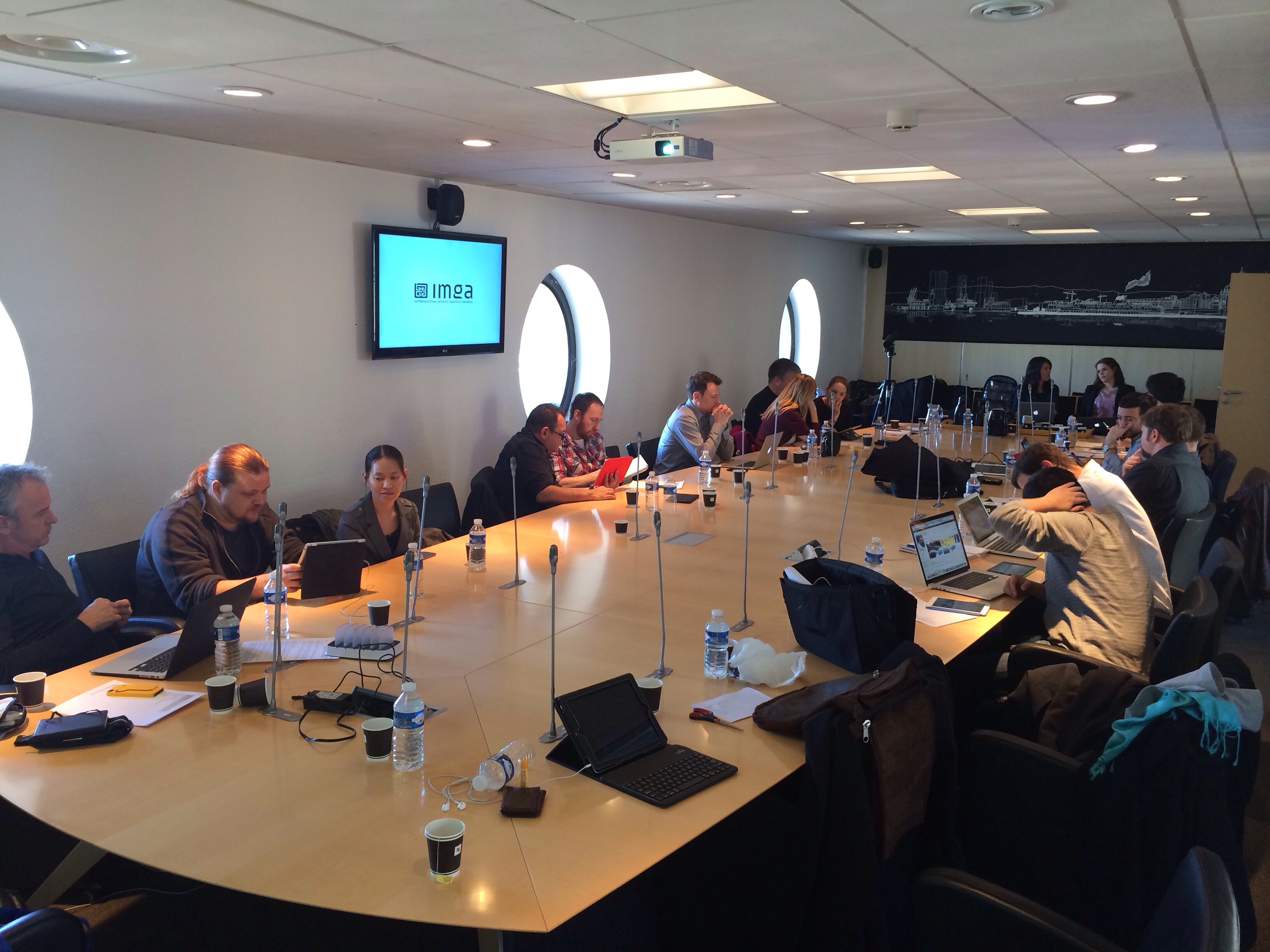
In a boardroom in Marseille, sixteen people sit hunched over iPads and Samsung tablets playing mobile games. Good natured arguments break out, and a quiet hum of conversation is broken only by an explosion or a sword slash.

20140206-135232.jpg

Lunch is served but no one stops what they’re doing. There’s simply too much to do – 600 games have to be cut down to 200 by the end of today.

This is a meeting of the best and brightest the mobile gaming industry has to offer.

This is the 10th Annual International Mobile Gaming Awards and the whole reason for my trip to Europe in the first place.

Two years ago I became involved with the IMGAs when I pitched them a panel idea. The head of the awards, got in contact asking if I would instead be willing to run their public relations outreach. I said yes and a few months later flew off to Barcelona (the first time) for the awards ceremony. It was a small event held in the heart of Mobile World Congress, but what shocked me immediately was the caliber of the attendees.

The heads of some of the biggest publishers and studios were there, as well as the editor in chiefs of every major mobile gaming site. It just felt different from any other award ceremony or show I had visited before. I knew I wanted to get more involved.

The following year I was asked to return to the IMGAs as a judge. I was ecstatic. Then, this year I was asked if I the Chairman for the entire judging process. I was speechless. It was one of the proudest moments of my life and it is an organization whose goals I care deeply for.

One of the things that differentiates the IMGAs from so many other award shows is there is no cost to enter; everything is paid for by the sponsors. In addition the prizes are real instead of just a cool plaque or trophy you can put on a bookshelf. Over the past ten years the awards have given away millions of dollars in prizes to everyone from massive game publishing studios to tiny one or two person development companies.

Which brings us to the other thing that differentiates the IMGAs so much – what kind of games end up in the nominations. In an industry run by companies who have millions of dollars in advertising budgets (ever heard of Angry Birds or Candy Crush?) the awards are one of the best ways an indie developer or small company can get the attention it needs to break through all the noise.

We’ve been called the Oscars of mobile gaming and it is not a title we take lightly.

The judging is exhaustive and is specifically designed to ensure the big games and the small sit on a level playing field. Before the judges even arrives in Marseille the IMGA team comb through the full list of submitted titles to weed out anything not published the following year or anything so filled with bugs as to make it unplayable. This year we had 1,000 games submitted: after the weeding our we had 600.

Once the judges arrive they’re thrown into the thick of it. The following 48 hours see those 600 games whittled down even further to just 60. Welcome to the big leagues, hope you brought your A-Game.

The first day is taken up with nothing but playing games: the judges are broken up into groups and given between 50-100 games to play through. Many of the games are known to the judges before they even play them, but for some this is their first chance to play through an unknown, new game.

They’re looking for specific things and if they don’t find it a game gets cut. Does a game go above and beyond in the graphics or sound categories? Did they nail an art style or make up their own that’s beautiful or striking? Is the game attempting something truly innovative in a market known for copy-cats and recycling old ideas?

Doing all of this in such a short time would be impossible without a varied jury and this year we had a great one: designers, game studio founders, journalists, marketers, publishers and even academics, all of whom have a speciality in mobile gaming.

Day one is just about getting through each groups list and by the end of it our 600 games had turned into around 160. A good first day, but it’s the second day that’s the hardest.

It starts with a brief discussion on the categories for this years awards. Some categories are set in stone, Excellence in Graphics or Gameplay for example, but others change year by year. Last year was the first year to include an Excellence in Storytelling award and this year we agreed to add Best Sound Design and Best Art Design as well.

We then go through the full list and discuss which categories each game should be entered into. From there the list is distributed to the judges and the voting begins. Once that’s out of the way the real judging starts.

Only those judges who have played a game can vote on it and it only needs a majority of votes to stay on the list. However, if a game doesn’t receive a majority of votes a judge may chose to “champion” a game and must defend that game to the judges and persuade them to give it another try. If another judge is persuaded by the argument they can second his defense and the game is saved for the time being, usually as the judge who seconded takes a chance to pick up and play the game in question.

In years past one round of voting was enough to get the list down to a manageable size. This year it took three.

Sometimes a judges favorite game won’t make the list and sometimes a game another judge thinks is truly undeserving will. The arguments can get heated.

After all the voting is finished we end up with around 20 games per category (a game can be in more than one category). Then its time for The Ballot.

The Ballot is the final voting session, but unlike everything else it’s done in secret; no one knows who voted for which game. Each judge gets ten votes per category, and can award one 10, one 9, one 8 etc to which ever ten games they believe most deserves to be in it. I collect the results, tally them and the top 10 nominees make it into the nominations.

At the end of all of this we finally have around 60 games down from over 1000.

Simple right? And that’s only the first round.

After everything is over and done with in Marseille, all of the judges head home to spend another month with each of the final games on the list. Right before the awards show we meet up to decide the winners of each category. Most of the time a few simple votes do the job, but for some of the more competitive categories (Gameplay for example) another secret ballot is cast, this time with only one vote on it.

After two months of work the judging is done and we have the years winners.

I jokingly call it all the Gauntlet and it takes a lot out of you. But the people who put their time and energy into the event know what they’re getting into. If you ask any of them about it they’ll tell you it’s the most in-depth judging for any award in the industry and I agree. And it should be.

Every day another 124 games are approved to the Apple App Store alone. Any show that tries to award the best in mobile can easily only cherry pick the ones that rose to the top, that got the most articles written about them or were the most downloaded. Forcing yourself to go in deeper, to jump into the pile upon pile of games available is exhausting, frustrating and in many ways overwhelming.

But when you do find that diamond in the ruff, a game that no one on the jury knew about that completely blows you away it makes everything worth it.

It really is the coolest thing I do.

Where ya going? Barcleona

Extra points if you get the reference.

Two years ago I was lucky enough to come to Barcelona for ten days and I struggled to describe the city. The best I had come up with was that it was like Los Angeles but an LA where everything is accessible by walking, biking, or metro. An LA where the people are nicer. And an LA where life really does move at a slower pace.

So really nothing like Los Angeles at all. So much for that analogy.

I wanted a second chance to explain it. As I was planning my trip this year I had a few things change on me last minute. Suffice it to say that I was supposed to go elsewhere from Barcelona but when that fell through I decided the universe was giving me a sign and I needed to take it. So Barcelona for 48 hours it was.

It wasn’t a hard decision but it was prompted by one thing over almost anything else: there was a meal there, something I had had two years ago I simply had to have again. Food drives most of my decisions on vacation, as you’ll find.

I booked an AirBnB room in the Borne neighborhood, right next to the Gotic (if you’ve never been to Barcelona, pretty much the center of town). I could not have asked for a better flat or nicer hosts. Paula and her boyfriend went out of their way to make sure I was taken care of, even handing me a fresh, right out of the oven slice of pizza when I walked in the door. Gee, if you insist.

Add to that the fact that the apartment was gorgeous and you understand why it’s the only place I ever want to stay in Barcelona again. Marble bathroom, floor to ceiling sliding windows in the living room and a view of the Santa Katerina market.

Why do people stay in hotels?

I kept to my regular jet lag schedule of taking a quick two hour nap (it was 3pm so it still counted as a siesta) and then headed out.

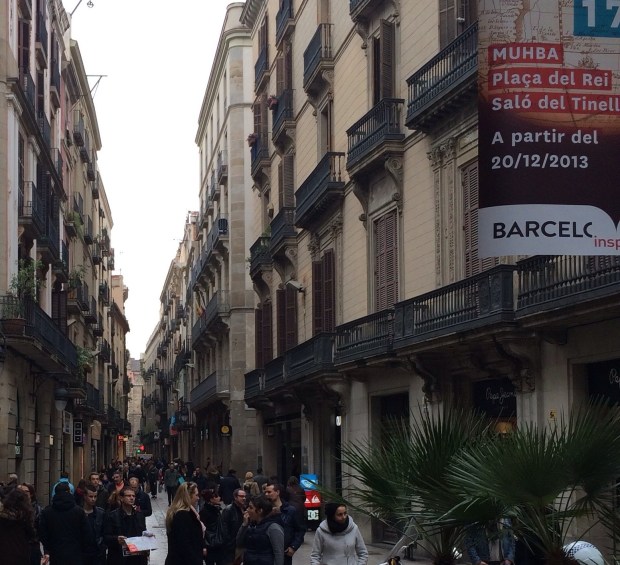
Barcelona truly is a gorgeous city and the weather was beautiful. High 50’s, sunny skies, music wafting through the Gotic quarters narrow alleys. I wandered over to La Rambla to find the street crowded as always by tourists and street vendors. I walked down the street towards the harbor and was able to catch the end of the sunset. Being in Europe again felt good.

I headed back to the apartment to shower and change. I was starving but I knew better than to try and get food – everything shuts down in Spain from about 4pm – 7pm and dinner isn’t typically until 9pm.

There was a restaurant I had been to once before that had an amazing paella in Barcolenta, another neighborhood of the city. I looked up what I thought was the name of it and headed out. Unfortunately, the place I had looked up was a different place entirely. Fortunately for me, I had ended up at one of the city’s best tapas bars.

20140203-111414.jpg

A real tapas bar is like nothing I’ve ever experienced in the US. You stand at the bar and every so often let the (server? bartender? chef? whoever they are) know what you’d like. They yell your order down the bar and two mins later it’s in front of you. Almost everyone is drinking beer, and while Spanish beer is not exactly my favorite thing in the world, when in Rome.

I have to say my Spanish was on point this trip because this time I studied. Why did I study you ask? Because last time I was in Barcelona it was just embarrassing. On my first night of that trip I walked into a ceveceria and asked the bar tender for “uno, uh….beer-o”.

That was not going to happen again,

So before coming over this time I forced myself to study all the important nouns and phrases I’d need to get around. And it worked! The entire 48 hours I was in Barcelona I never once asked if anyone spoke English, and was able to point and force my way through any interactions. Im sure I sounded like the worlds stupidest three year old Spaniard but hey I’ll take it.

Now, back to the tapas bar: my whatever-we-call-him guy knew my Spanish was awful but smiled and knew I was trying. He suggested a few things to me and I agreed to something with anchovies in it. I love fresh anchovies.

It arrived.

I can’t eat raw tomatoes – it’s a very stupid food problem I have and it gives me the worlds worst hangover for two days. I absolutely hate it.

This was an open faced tomato sandwich with fresh anchovies and pickles on it.

Travel tip #1: As Anthony Bourdain says “I don’t care if they serve you boiled puppy heads, when someone is offering you a food in their culture you eat it”.

I ate the whole thing. The hangover was a problem for future Brian.

Beyond that I had some amazing croquettes, fresh spanish olives and something way outside my comfort zone which was actually amazing, petrified tuna. It was firm but then melted in your mouth and the flavor was of a very intense, salty tuna. It was honestly great.

There was one other thing that I needed to have, however. I was in Spain and I needed some real Serrano Ham.

If you’ve never had the real stuff, in Spain, I’m not going to try and describe it’s incredible texture, it’s silky smooth flavors or it’s incredible fat content that melts in your mouth. This is one of those foods you just have to experience.

I polished off another beer then headed back to the apartment. I hadn’t slept other than my nap in 24+ hours and was running on fumes. Besides, I had big plans for the next day. I had The Meal to eat.

Which of course meant I popped into an irish pub for a night cap. I became fast friends with the british couple seated beside me at the bar and the conversation quickly moved from cities around the world we’d visited to American politics, British politics, and nationalized healthcare before finally settling on the 2nd Amendment. The conversation was jovial throughout and they even bought me a few rounds wishing me luck on my new pursuits.

Finally getting home, I accomplished the final goal I’d had since leaving San Francisco the day before. I fell into a deep, uninterrupted sleep.

Meanwhile, the next morning

Everything hurts.

The tomatoes had fully entered my system and were fighting back with a vengeance. The stomach pains mixed with the extreme dehydration only a transcontinental flight can offer had made the hours from 9am-11am (not even this was enough to keep my body from passing out and sleeping after a full day without sleep) unbearable. I was finally able to pull myself out of bed and take a shower. Nothing was keeping me from this meal.

I headed back to La Rambla and went right into the Bocqueria market. I could spend hours writing about this place – the food is incredibly fresh, the stalls are packed with people and the atmosphere is amazing. I was on a mission, however, and hung a left as soon as I walked in, heading straight for the far wall.

It didn’t take me long to find what I was looking for: on the back wall of the market sat a small tapas restaurant with blue walls and tables to match.

I had discovered this place by accident two years ago. Stuffed by eating at one of the other amazing tapas bars, I had wandered around the market and had discovered this place. The smell was enough to make me try one more thing: the fresh calamari, not fried but cut into ribbons.

It was phenomenal. I couldn’t eat anymore but I wanted it. I made a pledge to come back.

When I arrived one of the servers showed me to my seat. I asked for a water and a menu. She started telling me what was good but I interrupted her.

“I was here two years ago, there was a big platter…”

“Oh, no, that is impossible. We have a new chef, new owners. We cannot”

New owners? New chef?!?

I looked around. I was the only one there, the only one sitting at the restaurant during the lunch hour on a Saturday.

Fear gripped my heart.

I decided to take a chance and ordered just the calamari. It wasn’t at all how I remembered it.

It was even better.

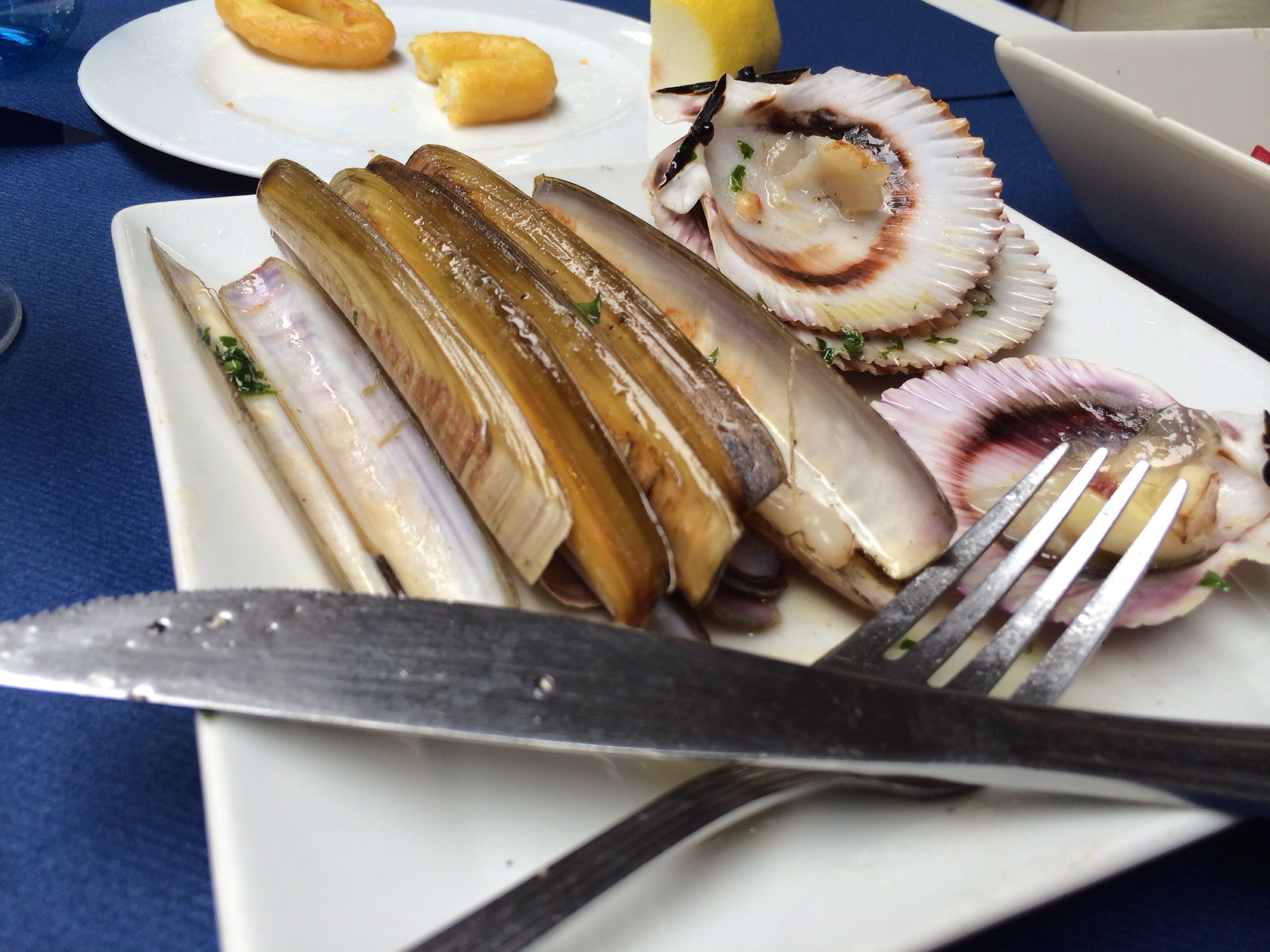
Not two minutes after the place was swarmed – every seat and wall space was taken and people were waiting in groups of 20 to try and sit down. I didn’t hurry, I had waited two years for this. Fresh clams out of the water that morning followed the calamari. Then an order of razor clams.

20140203-111236.jpg

After speaking with the servers and ordering my third water, the two older women knew something was up. Spanish women are the best – they mothered me from that moment on and kept bringing more and more free food out of the kitchen, placing each one down with a “I wonder what happened last night” or a “such a fine boy, such a dumb boy”. I loved them.

They brought me sautéed green onions in butter and garlic which settled my stomach and rose water which helped with my dehydration. There were actual rose petals in the water but I had no idea if you were supposed to eat them or not. See previous comment re: Bourdain. I ate them too.

I thanked both women immensely as I left and gave them kisses on the cheek. The meal was everything I had ever wanted it to be and so much more.

Being that I’m on vacation, however, my mind immediately went to my next meal. I knew I should try and get some paella, the other traditional food I had so far neglected in my short trip, but all I wanted was more seafood. That was when I remembered – I had access to a kitchen.

I ran through the market and grabbed anything and everything that looked good. I bought and haggled like a local: one stall vendor wouldn’t let me have less than a bundle of razor clams. After hearing the same “no it is impossible I cannot” for the third time, I pointedly stared at my watch (closing time was coming up), purposefully looked over my shoulder at the completely empty stall, pulled out a 10 euro note and said “eight please, yes?”. Wanna guess who won?

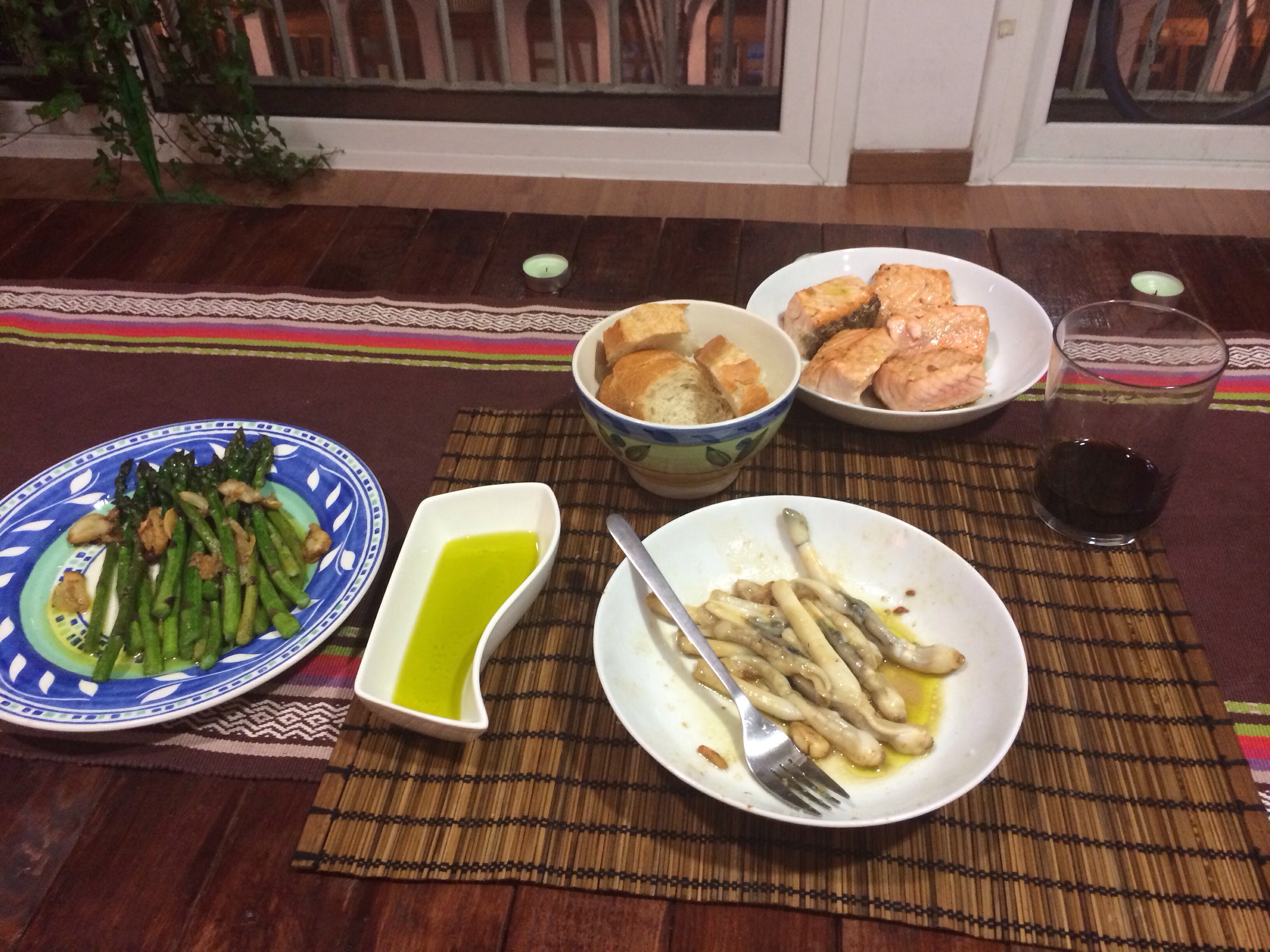
Leaving the market, I had created a mini feast for myself. Fresh bread, olive oil (pressed in front of me), garlic, asparagus, fresh caught salmon, a bottle of Rioja wine… and the razor clams. Eight of them to be exact.

Back at the apartment, I felt a siesta coming on but my hosts grabbed me before I could run into my room. Would I like to come to their bar (“you own a bar?” “of course!” “of course you do”) and listen to live flamenco music that evening? Why yes, yes I would.

They left and I started cooking my dinner. Paula had insisted that I make the apartment feel like it was my home and I was able to do just that. A band had started up in the square below and I opened the windows to let the music come through. With the music playing, my little feast spread before me and a bottle of good Spanish wine open, it was a fairly perfect moment.

20140203-111625.jpg

Barcelona isn’t a place to go and “work”It’s a place to slow down, to relax and enjoy life as it comes at you. It’s a city to escape for a bit and lounge in the sun. It’s a city I’d never want to live in; but I’m not sure that’s the point of it. It’s a place to just take a moment, take a deep breath in, and relax.

I walked the two mins to the bar. It was packed full of locals and the flamenco music hit you as soon as you walked inside. I grabbed a beer and a stool and leaned back against the wall. The music coursed through your veins forcing your feet to tap the floor below them.

Full from fresh seafood, surrounded by a room full of laughter, friends speaking fast in Catalan with chords from the guitar breaking through, this was what this city was really about.

This was Barcelona.

A Thought and A Goal

Improving myself.

That’s really the point of this whole little journey I’ve thrown myself into. What I’m learning on this trip is that you often have to admit you weren’t doing the right thing first before you can start doing the right thing after. Humility is becoming a trait I’m much more familiar with these days.

I’ve always loved knowledge. My head is full of random tidbits and facts to the annoyance of my coworkers and the joy of my trivia team members. History has always been where my interest lay: by the time I was 11 I was going through any book I could find on World War II. By high school, it was the Cold War. No real surprise I chose history as my major then.

Things somehow changed after college. Somehow, some way, I got the impression that I didn’t need to learn anymore. Sure there was on the job training and articles to be read on my industry but as far as general knowledge and books were concerned I figured I could get through life based on my instincts alone.

As mentioned in my first post, stupidity seems to have been a theme for me.

My mindset changed when a friend loaned me a book called Never Eat Alone by Keith Ferrazzi, a book I will go into more detail on in a later post. Around the same time I read this post by Ryan Holiday on his “trick” to reading. It was like the floodgates had opened up.

I began devouring books again – since my friend lent me that book in August I’ve gone through
twenty two books and I’ve barely scratched the surface of my new reading list. The selection includes everything from historical biographies, self-help books, histories of chemistry and mathematics and even a textbook. I’ve learned more in the past few months on how to effectively live my life than I ever was able to learn in school.

There is a freedom in crafting your own education that I’ve never experienced before. Major characters of history, from Alexander the Great and the Ancient Greeks, to James Madison and the Founding Fathers have written on the importance of becoming your own man through a strict regimen on self-education. It was a concept I had read over and over in class, assuming I was doing just that. But I’m realizing I’m only now starting to understand what they were getting at.

Unlike Mr. Holiday, I do have a small trick i use to get through more books: Audible. If I’m commuting or traveling or doing dishes or working out or on a bike ride or even just trying to shut my brain off after a crazy day I’m listening to something. I can certainly read faster than I can listen, but you can’t always be in a place to sit and read. Audible fixes that problem and it’s the best investment I’ve yet made.

Every so often I’m going to post my thoughts on the books I’m reading. Honestly, it’s a way to ensure that even if I have a boring day I won’t have an excuse to not write something on here

Here’s a list of some of the books I’m currently reading or have read in the past few months and will be posting about later:

Never Eat Alone, Keith Ferrazzi
48 Laws of Power, Robert Greene
The Art of Worldly Wisdom, Baltasar Gracian
Guns, Germs and Steel Jared Diamond
Civilization, Niall Ferguson
The entire Theodore Roosevelt trilogy by Edmund Morris
Churchill by Roy Jenkins
The Clockwork Universe, by Edward Dolnick
Euclid’s Window by Robert Blumenfeld
The Disappearing Spoon, Sean Runnette
And so many others…

There is a point to this post and it’s this: this blog has gotten a lot more support and a lot more interest than I had expected it to. So I figure I should put that to good use. My goal is to have just one person read this post and decide to pick up one of these books and start a journey of their own.

That seems to be the perfect thought to leave the country on.

Something in the water: On San Francisco and Friends

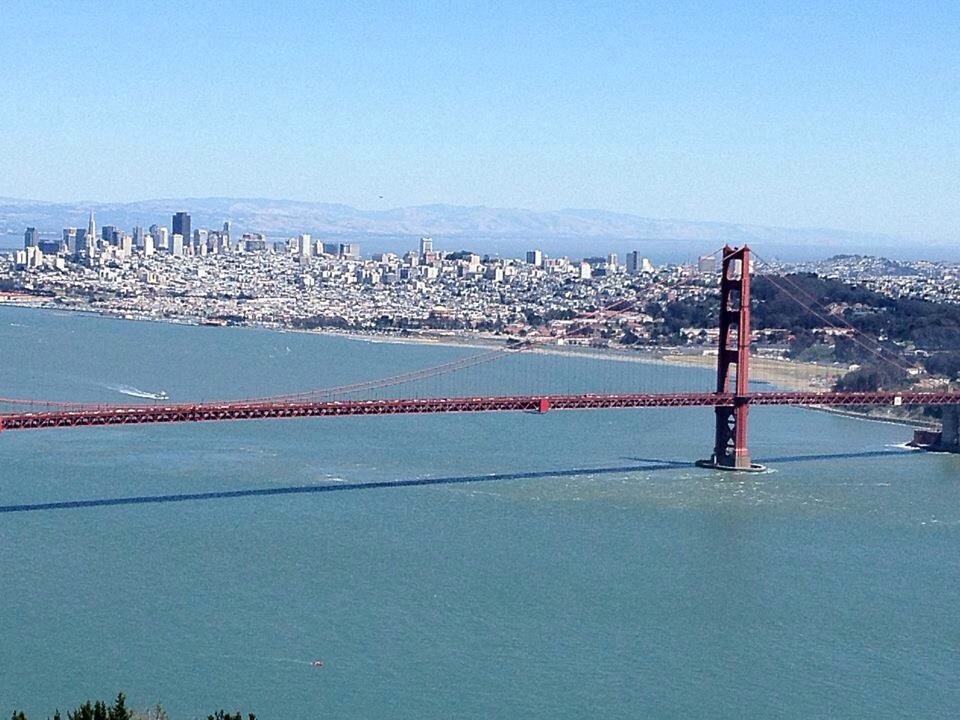
20140129-184144.jpg

As I write this, a thick blanket of fog covers the city and a barge bellows out in the bay. This is the San Francisco I remember living in – constantly grey, a jacket always on hand and a fog always threatening to descend.

I decided to come into the city a few days before my flight to Europe. Being that my last day at the old job was on a Tuesday and my flight from San Francisco on a Thursday, the idea of twiddling my thumbs at home seemed less than exciting. Patience has never exactly been a virtue of mine.

I’ve had a mixed relationship with the city by the bay. I moved here to go to college, but left it to do my last semester abroad. For a long time San Francisco was tainted for me by past memories and experiences. At one point I even uttered the words “I hated San Francisco”.

Yeah, I’m not sure what I was thinking either.

Over the last few years, though, that’s changed, a change I’m truly glad for. Living so close to one of the worlds greatest cities and not being able to enjoy it was awful.

The change began when an old friend of mine from college invited me out. I took him to a place called Dave’s for a few drinks. That turned into a five bar pub crawl on a Tuesday night as he re-introduced me to the city I had once called home.

I began remembering why I had wanted to move to SF in the first place.

The key with any great city, big or small, is its secrets. It’s both the places no one knows about yet are discovered together or the places you refuse to tell anyone about because you want to keep them to yourself.

SF is a labyrinth of back alleys, hidden courtyards, phantom staircases and concealed gardens. Discovering them isn’t hard – take an afternoon and pick a neighborhood. The Mission is especially great for this, but North Beach and Alamo Square are fantastic as well and the old warehouse district in the Embarcadero has some of my favorite hidden places in the city.

Walking through the Mission one afternoon I smelled something incredible. I wasn’t even hungry but I’ve never let that stop me before. The smell took me to the most blue collar dive bar I have ever seen in San Francisco – every one was male, everyone was over 60, everyone was watching the baseball game and everyone was talking about the ‘the good ole days’ under the union.

Hidden in the back corner was a kitchen. Walking up to the counter I couldn’t believe what I’d stumbled on: beef tongue soup? Fresh pasta with house cured pancetta? I had died and gone to heaven – the bar served Jameson and Anchor and the kitchen served two different dishes with the word ‘confit’ in it.

I ended up ordering something called a french onion soup sandwich. No, not a french onion soup and sandwich – a sandwich that had all the characteristics of french onion soup.

I don’t care if you believe me, I don’t care how good a restaurant or a chef you want to put it up against, I will place this sandwich in the running against any dish ever made, ever. It may not win, but it will come real close.

And no, before you ask my dear reader, I will not tell you where it is, I will not tell you how to get it, nor will I tell you anything else about it. Because this is my secret in my San Francisco.

Go find your own.

San Francisco is an escape for me – a friend calls it my “San FranVegas” and that’s not entirely inaccurate. Over the last few years, the city by the bay has become a place of displaced reality, a place I can go to and disappear in. I think this is one of the reasons so many people fall in love with this city – you can live here for years, but wander down a new street and you can be a complete stranger.

Yet beyond it’s secrets, it’s food, it’s architecture, it’s neighborhoods or it’s bars or its history I’ve found something else to love here. The people.

My friends have all been fantastic during the last few months of transition, but my friends here in San Francisco have shown me a special level of care. It must be something in the water: it’s no surprise that the entrepreneurial sprit is appreciated in the Silicon Valley, but what was surprising was the level to which my friends offered to help over and over again. Offers of employment, offers of introduction, offers of monetary support, offers of a bed or a couch or a floor or a room, offers of anything you can imagine. As more people heard through the grapevine what I was working on, more offers came through.

For that they deserve this public shout out and thanks. They know who they are.

When you begin working on your own project, you have a deep and unsettling fear that resides inside: that you’ll be going through this alone, that you’re the only one who will be checking in on how you’re doing, that you’re the only one that you can count on,. That simply hasn’t been the case for me. i think if you’re honest about what you’re doing and show people your passion, those close to you will go out of their way to help support you. I sure hope it’s not just me who’s been this lucky.

There are only three places in the world that I would call home and SF is one of them. From the friends, to the secrets, to the food there is quite simply no other city like it in the world. And it will always have a place in my heart.

There’s a million reasons you leave your job.

There’s the common reasons: you have another opportunity that comes up, you have to move, you’re getting married or having a baby and need some extended time off.

I didn’t leave for any of these reasons.

There’s the less common reasons: you’re going back to school or you’re having surgery or an illness that needs to be taken care of.  You and your boss are fighting, you and your boss aren’t getting along, or you’ve developed an unhealthy emotional connection with someone in your office and just need to get away.

I didn’t leave for any of these reasons.

Then there’s the rare and unsightly reasons: you’ve caught someone stealing from the company, sexual harassment claims, a family tragedy, an emotional breakdown or simply being fired.

I definitely didn’t leave for any of those reasons.

I had always thought that the idea of the “quarter life crisis” as so many in my generation are apt to call it, was ridiculous.  An excuse to quit your job and go teach English abroad or run off to a new city and become a waiter or a barista.  An excuse to go back to school and “find yourself”.  In the end, an excuse.  And as much as I hate to say it, I looked down on those people.

Well that was stupid.

Actually, it was beyond stupid.  I should have seen the signs years ago – that feeling of restlessness that every traveler knows means its time to move on.  An urge to become more involved, more effective, more known.  My entire being was fighting a pitched battle between putting down roots or jumping onto the next flight to Thailand.  I was conflicted by my need to make a difference in my community and my sense of hopelessness in being able to do anything of importance.  I felt trapped.

I was waiting for something or someone to change my own situation instead of forcing a change myself.  I was too scared to make the leap.

Stupid.

I had been at my job for the past two and a half years.  Originally hired on as a junior account manager I was quickly promoted four times in two and a half years and helped to turn a team of two into a team of nine, We went from bringing in tens of thousand of dollars into bringing in hundreds of thousands of dollars in a quarter.

I had never been challenged like this before: I was running full campaigns for clients that spanned from PR to advertising to events around the country and the world.  I was writing business plans, I was bringing in new business and helping to build a team and a company from scratch.

At 25 I was promoted to Director of Accounts, running the day to day of the company and its accounts and overseeing a team of five.  I was the youngest officer in the company and one of the youngest agency directors in Sacramento.  I was ecstatic.

Really, really stupid.

I failed in this position.  Miserably.

The reasons are less important than the outcome and the outcome was that I lost the trust and more importantly the respect of my team.  It was a slow realization but when it came it hit me hard.

Taking a step back, I looked at what I had been doing over the past few months and was shocked by the results.  Every bad habit, every distasteful trait I had seen in old bosses were present in my “leadership” qualities.  I was running on my own schedule, coming in late, running off to trips around the US for business meetings with little advance notice.  I sat in my office and rarely came out to chat with my team instead making them come to me.  I was trying to lead by instinct but when that instinct is based on a false foundation it was always going to be off-kilter.

You can moan over your mistakes or you can fix them.  I chose the latter.  I gave up my office and moved into a shared workspace with my coworkers.  I brought them into my calls and my work, showing them what I was doing and ensuring I always knew what they were up to; if anyone went on vacation I could seamlessly take over their projects.

Robert Greene notes that “at all times you must attend to those around you”.  I began taking a much greater interest in what my teammates wanted out of their jobs and the company as a whole.  Slowly but surely I turned things around.

I presented an overall restructure to the company that would address most of the issues I had heard from my coworkers.  I included a biz dev and marketing strategy for the company as a whole that would see incomes rise across the board.  In a role that had seen me challenged in more ways than I could ever imagine this was my biggest one to date.  It was wholeheartedly endorsed and I felt accomplished for the first time in months.

I had learned more and grown more from this job than other in life.

So why would I leave that?

Six moths earlier I had begun working through a thought experiment with friends.  It didn’t take long before we realized that the project not only had legs but would be able to run fast and far if we gave it the right attention.  All of the joy, the excitement and fear that you only experience in a start-up began to come back.

I left because for the first time in my life I had found a project that I was truly passionate about, a project that connected all of the things that I love doing the most.  It combined writing, events, community involvement and civic duty. I wanted this and I wanted it bad.

The truth of the matter is it’s ambitious, possibly even impossible.  But I knew that going into it, and I knew that when my I put my notice in two weeks ago.

So that’s where things stand: I’m putting the last two years behind me and focusing all of my energy and attention on this new problem.  I want to see what happens when you put everything you have into something, when you make it so public that you simply can’t fail because everyone is watching.  I want to see if I can stand it and if I can rise to the occasion.

I’m leaving in two days for Europe for two weeks to clear my head.  I have four months of funds saved up and no idea how to make money off of this thing.

Should be fun.