
The Marseille airport is a bit of a misnomer. It is the airport for Marseille in that it’s the only airport for 20 miles in any direction. But it’s nowhere near the actual city. The airport itself is nice, but actually getting into the city requires either taking an absurdly expensive cab (about $90), or jumping on to the $12 bus to the train station, which then takes you to the metro. I opted for a mix of both, and took the bus to the train station, then grabbed a taxi from there.
I’m very spoiled in Marseille. The event I’m here for, the IMGA’s, puts up all of it’s judges in an amazing four star hotel and takes care of all of our meals as well. Essentially, our only expense is our time and for any drinks we decide to grab afterwards (hint: there’s always drinks afterwards). Considering they also pay for my flight to and from Europe, I’m coming out well ahead in this deal.
I checked into my (huge) hotel room and found a string of emails from the other judges asking who was in town and wanted to get dinner. Of the 17 judges arriving, most were too jet lagged to do much beyond find a sandwich or were getting in too late for dinner. Four of us, however, decided to meet up. Sadly, my choice of a couscous place I had been to the year before was closed (it was some kind of national holiday) but we ended up at an Irish Pub next to the hotel.
One thing I’ll never understand about Europe: in the US or the UK or Ireland, the pub is a neighborhood bar. Prices are cheap, food is good and you expect a bit of dirt or grime somewhere. It’s what makes the place feel like home.
In Europe proper, though, the pub is less a neighborhood bar and more a themed restaurant, like an Outback Steakhouse or an American burger place in the middle fo Warsaw (more on that later). The pieces are all there but it’s too clean, too much memorabilia on the wall. Everything is just slightly off.
But it was open and it served food and beer and therefore we were happy.
We grabbed a booth and some beers and ordered. They had flamkouchen on the menu, so I had to get it – it’s a type of French/German pizza (if you want to be really specific, it’s from Alsace-Lorraine and have fun having that conversation with a French or German) that I’d had once before in Munich. Instead of tomato sauce it uses sour cream and a super thin crust that’s cut into squares. It’s fantastic, and this one, with duck and goat cheese, was no exception. Eventually we called it an early night and went to bed – we had a long day ahead of us.
I won’t go into all the details as I’ve mentioned the IMGAs before, but suffice it to say that by 6pm we were exhausted. The judges had been broken into six different groups and each group had played between 50-100 games in one day. Our eyes hurt, our minds were mush and we were very, very hungry.
Food, however, had to wait. One of the awards sponsors is the city of Marseille itself and they had set up an event that night with local developers who wanted to meet us judges. I was tired, but they had free wine and food so I wasn’t going to complain.
There’s a trend here involving free food and drink if you’re paying attention.
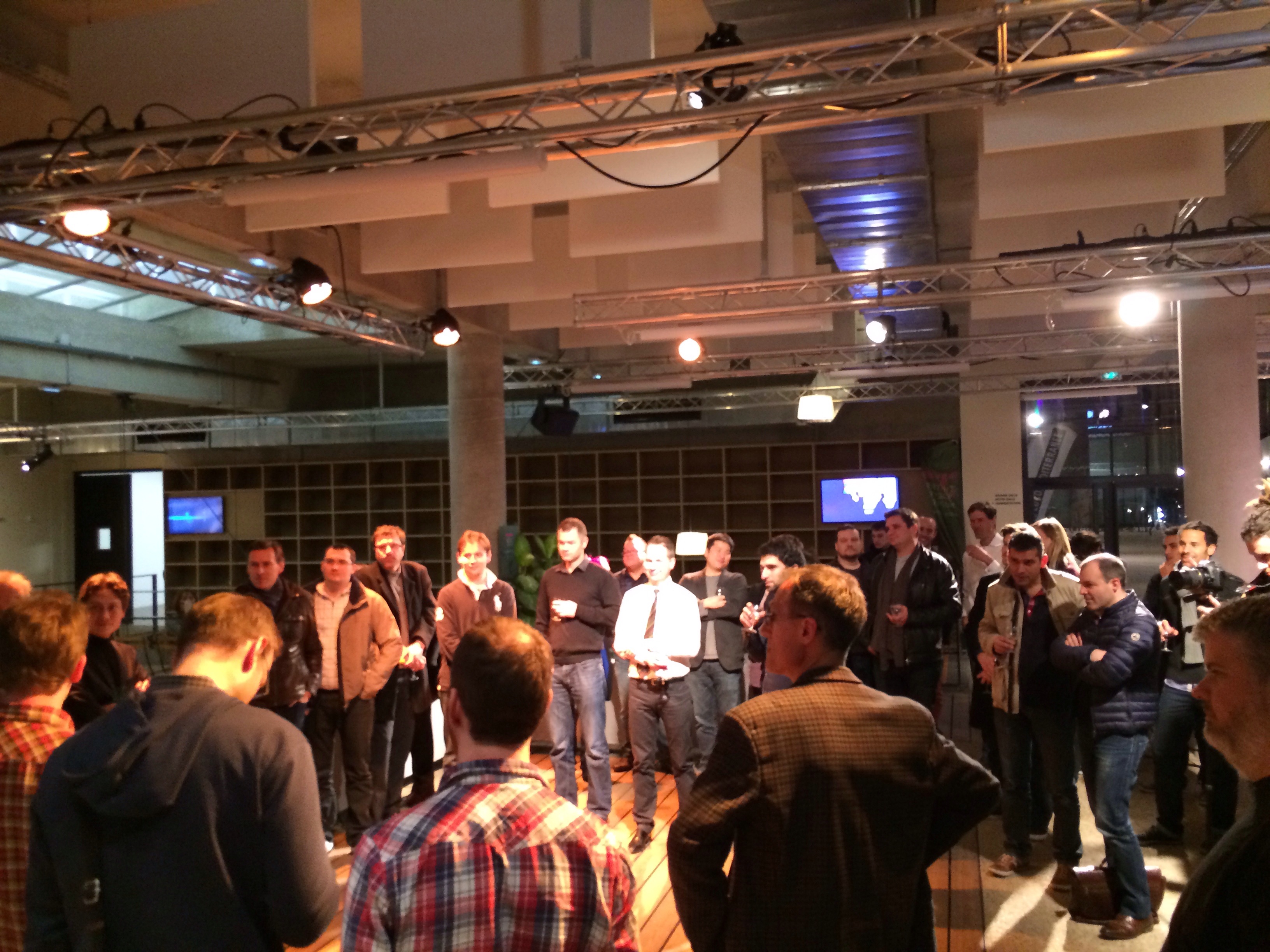
Then, about fifteen minutes before we were set to leave, Maarten, the founder of the awards, asked me to give a short speech to the developers. Um, sure?
So about an hour and a few glasses of liquid courage later, there I was giving my first public address since I’d worked at the Capitol. It went well and I got some very nice compliments thereafter. But moreover it goes to show that life doesn’t move in a straight line so much as it does a spiral – you’re constantly reusing old skills for new circumstances.
Finally, with much wine and beer in our bellies, we marched back towards the hotel and dinner. An Indian restaurant had been suggested to us and we were not one to say no. Everything seemed to be going fineuntil my friend Chris and I stumbled upon something we couldn’t believe.
Cheese Naan.
I love indian food. I love naan. And I love cheese. Together they formed a holy trinity of possibilities.
We ordered two servings and that naan filled with goat cheese mixing with my paneer marsala was absolutely heavenly. There simply isn’t words to describe its magical goodness. Chris complained of stomach cramps later but Chris is kinda a wimp. Afterwards, however, we all decided an appertif was greatly needed so we headed out towards a bar.
As I mentioned before, Marseille is really a city inside of another city and this bar existed behind the facade of the waterfront and in the old alleyways. It was only a five minute walk from the restaurant to the bar, but it existed in a kind of no man’s land – you could tell a walk five minutes further would take you to a very different part of town, while five minutes back took us to the waterfront and our four star lodging. We later found out someone had been shot and killed just a week before right in front of our intended choice.
We clearly listened to this advice and walked right inside: an American, a Brit, an Aussie and a German. Just the four customers any good French bar wants.
The owner grumbled and ignored at us when we first walked in until, shockingly, my french came to the rescue.
I actually took french in school and can force my way beyond simple words and into somewhat complicated sentences such as”no, the top shelf bottle” and “yes, please do make it a double”. At this the owner smiled and our glasses were never empty.
In retrospect, it may have been the gorgeous Australian in our midst more so than my language skills, but I digress.
After a few hours, some dancing and someone who shall remain nameless stealing a cup of the “jungle juice” at the bar (it was the Australian) for the walk back, we left for the night to get some rest for day two.
Day two is always worse than day one and this one was no exception. By the last two hours the debates had ceased and people were barely able to get their arms up for a vote. We had brought the list down to a respectable 130 games and I decided to allow everyone more time to play the final choices before making a decision. I gave everyone a week deadline to get their votes into me and with that we were done.
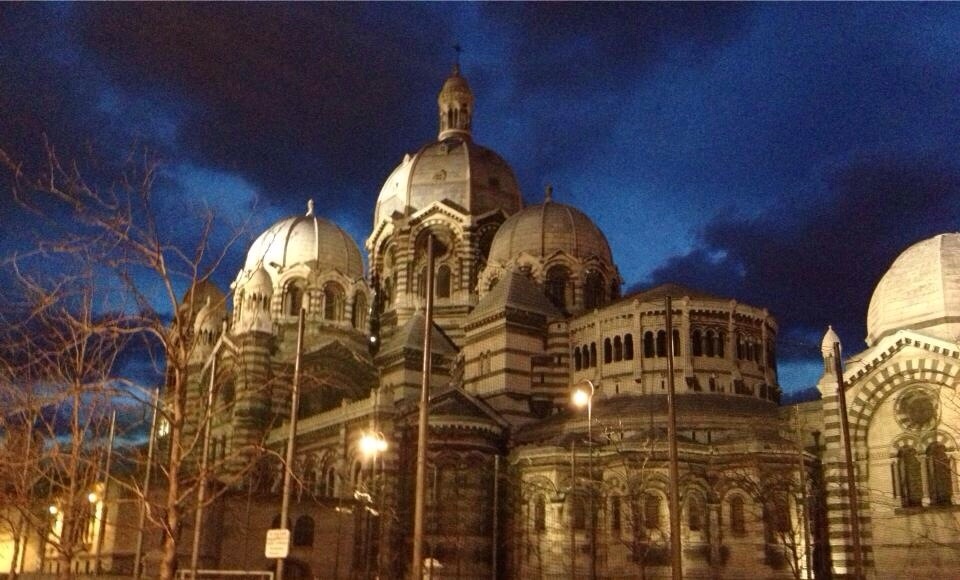
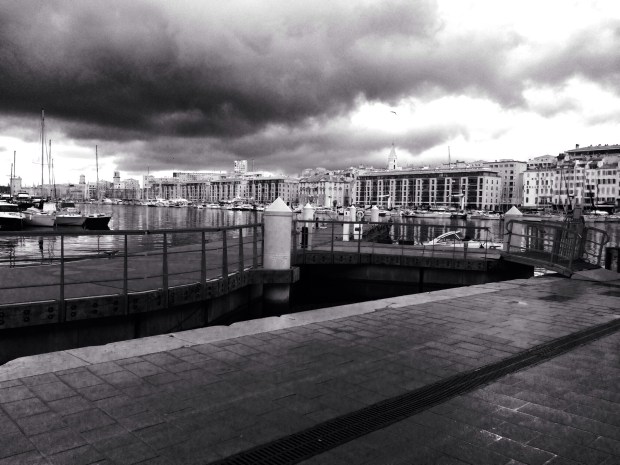
I took a group the long way back through to the hotel, by one of the old churches that had been restored and through yet more alleyways.This opened up into a view of the harbor immediately adjacent to the hotel, where the lights flickered off the water from the moored boats and the Ferris wheel. It really is a beautiful sight.
But, once again we were hungry. Maarten had suggested a pizza place only a few doors down from the hotel so almost everyone joined. We took up three tables and chatted amicably in English amongst ourselves while we (read: me) ordered in French. One thing led to another and ze german and I ordered a bottle of wine for the table.
French wine has a bit of a lore around it. I’ll be honest, one of the things I love about it is the fact that, when you’re in France, you can go to any grocery store or corner market and spend $6 on a bottle and have it be one of the better bottles you’ve ever had. That having been said, you do have to know your wine just a bit to get away with it.
In total, we paid $30 for this bottle at the restaurant, so it was probably a $15 in a store. Other tables were complimenting us on our choice and our own table was moaning and salivating over their poured glasses. Suffice it to say it was really, really good.
This success obviously deserved another aperitif and we found ourselves at the same bar we had been at the night before. The bartender laughed when we walked in (“one of you had some punch last night, yes?”) and he proceeded to make sure yet again our glasses were never empty. Many exchanges of never-ending friendship took place in the next few hours.
The next morning I woke up later than I expected and wandered downstairs. Too late for the free breakfast (did I mention they do a free breakfast here?) I asked for a suggestion for a good french bakery. The rain was falling fast and hard outside and I borrowed an umbrella from the hotel before I headed out. It really didn’t help matters – the rain was so heavy it was dripping through the umbrella’s fabric.
The bakery was up a hill about two blocks from the hotel, through the back alleys. Yet no matter the pouring rain, throngs of Marseillans were wandering up the alleys looking for their favorite bakery/lunch/seafood/whatever. They came because these were their families spot, and in talking to them it had been their family’s spot since before they were born and in some cases since before their parents were born.
This was, I realized, a side of Marseille I hadn’t seen before, the true Marseille. And I knew that no matter which part of the city I was in, it would look like this – people rushing through the rain to pick up their favorite wine, bread and cheese.
My croissants were fantastic and I ate them while working in the hotel lobby. A few of the judges swung by to say hello before they left but you could already see their demeanor and attitude was reverting back towards their attitudes in their home countries. That’s the thing about traveling, you’re never really the person you are at home.
I eventually grabbed a cab with Chris as we were on the same flight, and made it to the Marseille airport. We had the same flight to London and spent the time chatting about an upcoming conference and other projects. We made it to our flight and were off an hour later.
Marseille is a city easy to see just at face value. But if you dig a little deeper, burrow a bit beyond the facade of the waterfront and the downtown and into the alleys behind, you can find some truly unique and incredible places, serving some of the best food and drink I’ve ever had.
I’m not sure I ever would have gone to Marseille if I hadn’t been invited ot the IMGAs. But having been there twice before, I can honestly say I get more and more excited each year to explore it’s other side, the other city behind it all.
_____________________________________________________________________________________________________
Places:
Airport: Marseille-Provence, http://www.marseille-airport.com/
Train Station: Gare St. Charles, http://www.raileurope.com/europe-travel-guide/france/marseille/train-station/st-charles-train-station.html
Lodging: Radisson Blu, http://www.radissonblu.com/hotel-marseille
Pub (Home of the flamkouchen): The Queen Victoria, http://www.thequeenvictoria.fr/
Indian Food (Home of the Cheese Naan): Le Kashmir Lounge, http://www.le-kashmir-lounge.com/
Pizza Place (Home of the Amazing Wine): La Galiotte, http://www.tripadvisor.com/Restaurant_Review-g187253-d1330221-Reviews-La_Galiotte-Marseille_Bouches_du_Rhone_Provence.html
Bakery: Four Des Navettes, http://www.fourdesnavettes.com/fr/
 Life Of A Brian